Best CMMS for Hotels and Hospitality: 5 Tools in 2026
Hotel maintenance runs on a different clock than most facilities. We compared 5 tools on guest-response speed, compliance tracking, and onboarding given hospitality's turnover rate.
Stories and insights to transform the way you manage facilities, assets, and teams.
Hotel maintenance runs on a different clock than most facilities. We compared 5 tools on guest-response speed, compliance tracking, and onboarding given hospitality's turnover rate.
Running maintenance across ten sites isn't the same problem as running it across one. We compared 5 CMMS tools on shared hierarchy, rollup reporting, and localization.
Preventive maintenance is the feature every CMMS claims to do well. We compared 5 tools on trigger flexibility, PM compliance tracking, and audit-ready records.
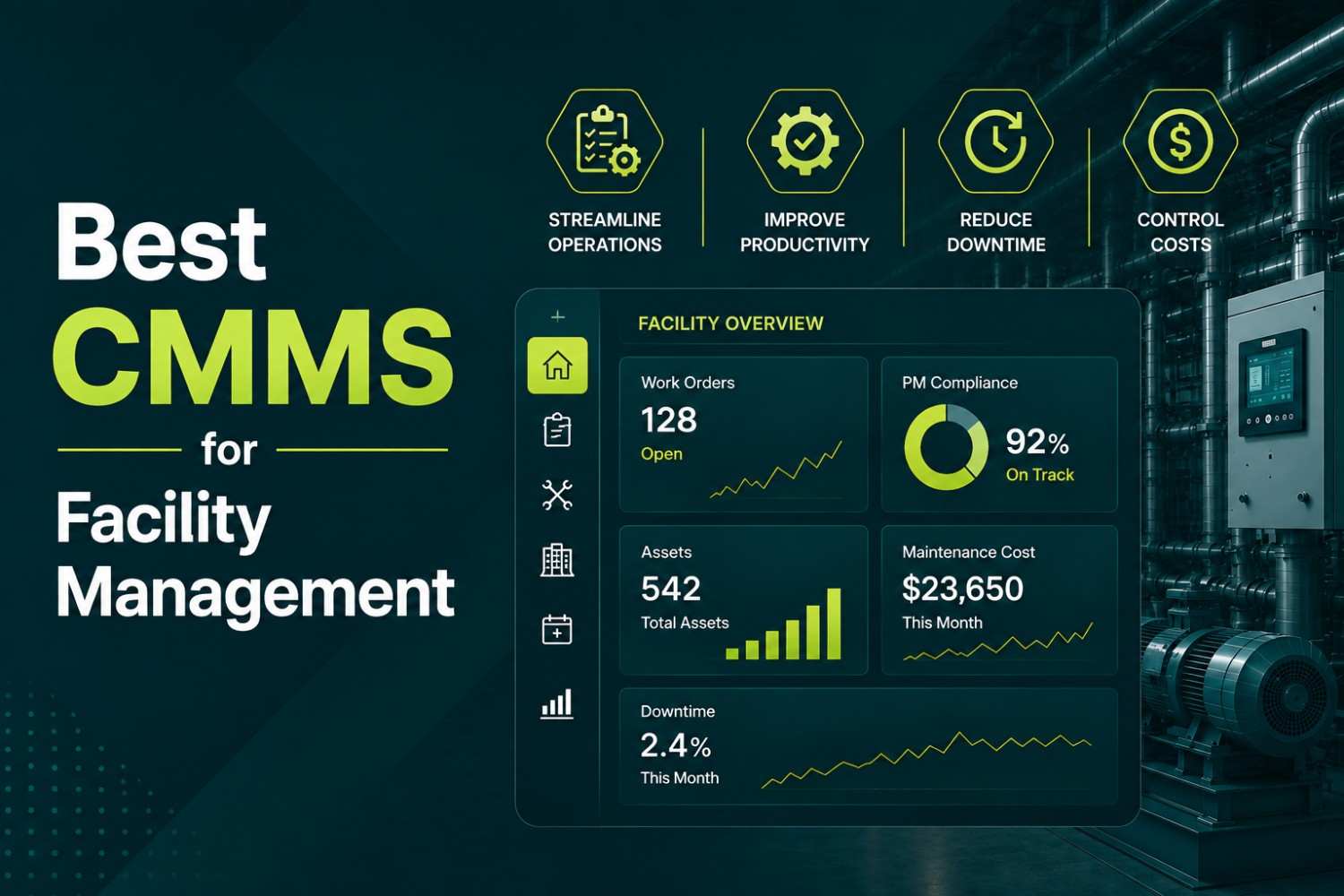
Facility management spans schools, property portfolios, hospitals, and plants, each needing different things from a CMMS. We compared 5 tools on occupant requests, multi-building support, and compliance fit.
Small businesses need work orders, PM, and asset history without months of configuration or enterprise pricing. We compared 6 CMMS tools on setup speed and real-world affordability.

Food manufacturing carries a maintenance compliance burden most other industries don't. We compared 5 CMMS tools on HACCP, FSMA, allergen and sanitation workflows.
Limble CMMS has built one of the strongest reputations in the maintenance software category, and the review data backs it up. We dug into its feature set, pricing structure, and where independent reviews say it genuinely runs into limits. Here's what we found.
IBM Maximo has earned its position at the top of enterprise asset management. It holds a 4.4 out of 5 rating across 622 reviews on G2, and the praise is consistent: unmatched depth for structuring complex asset hierarchies, condition scoring and failure-hierarchy tracking that ties symptoms back to
Before the list, one thing worth being direct about: SafetyCulture (formerly iAuditor) and a CMMS solve different jobs, even though they overlap enough that people search for "safetyculture alternatives" for two very different reasons.
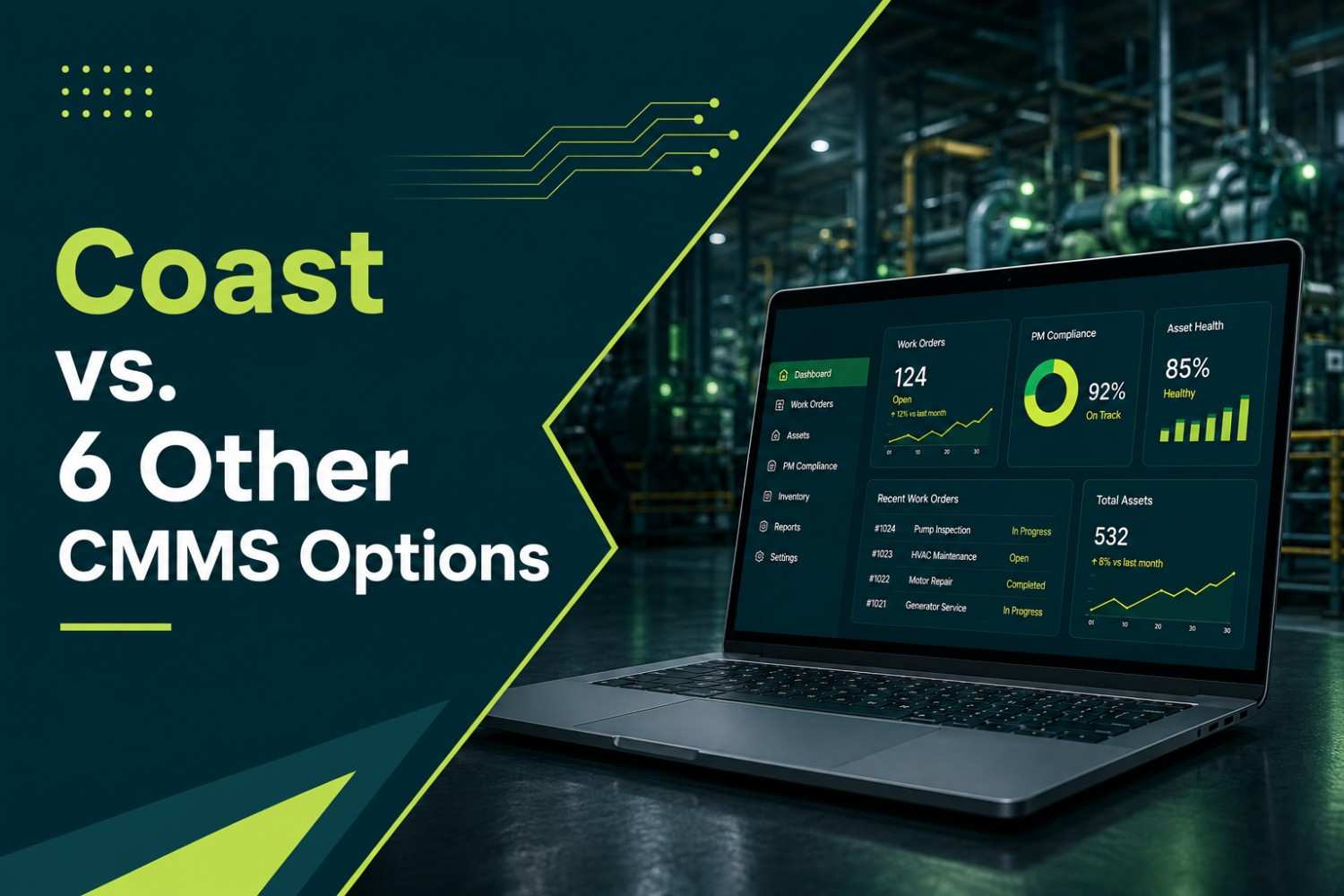
Coast earns its 5.0-out-of-5 rating on G2 across 212 reviews for a reason most CMMS platforms never manage: people actually use it. The interface reads like a group chat work orders show up as messages, checklists arrive as interactive tasks, and a technician who's never opened a maintenance app in their life is closing work orders within the first hour.

6 eMaint Alternatives
There are three kinds of people who search "fiix alternatives." Know which one you are before you read further, because it changes what you should actually pick.

6 UpKeep Alternatives
Limble CMMS holds a 4.8 out of 5 on G2 across 678 reviews and 4.8 out of 5 on Capterra across 746 reviews as of April 2026. It earned 40 plus G2 Winter 2026 awards including Easiest To Do Business With and Best Usability. Trusted by over 50,000 maintenance professionals at Nike Sony General Mills Mi
6 Best MaintainX Alternatives
MaintainX vs eMaint
MaintainX vs UpKeep
MaintainX Review 2026
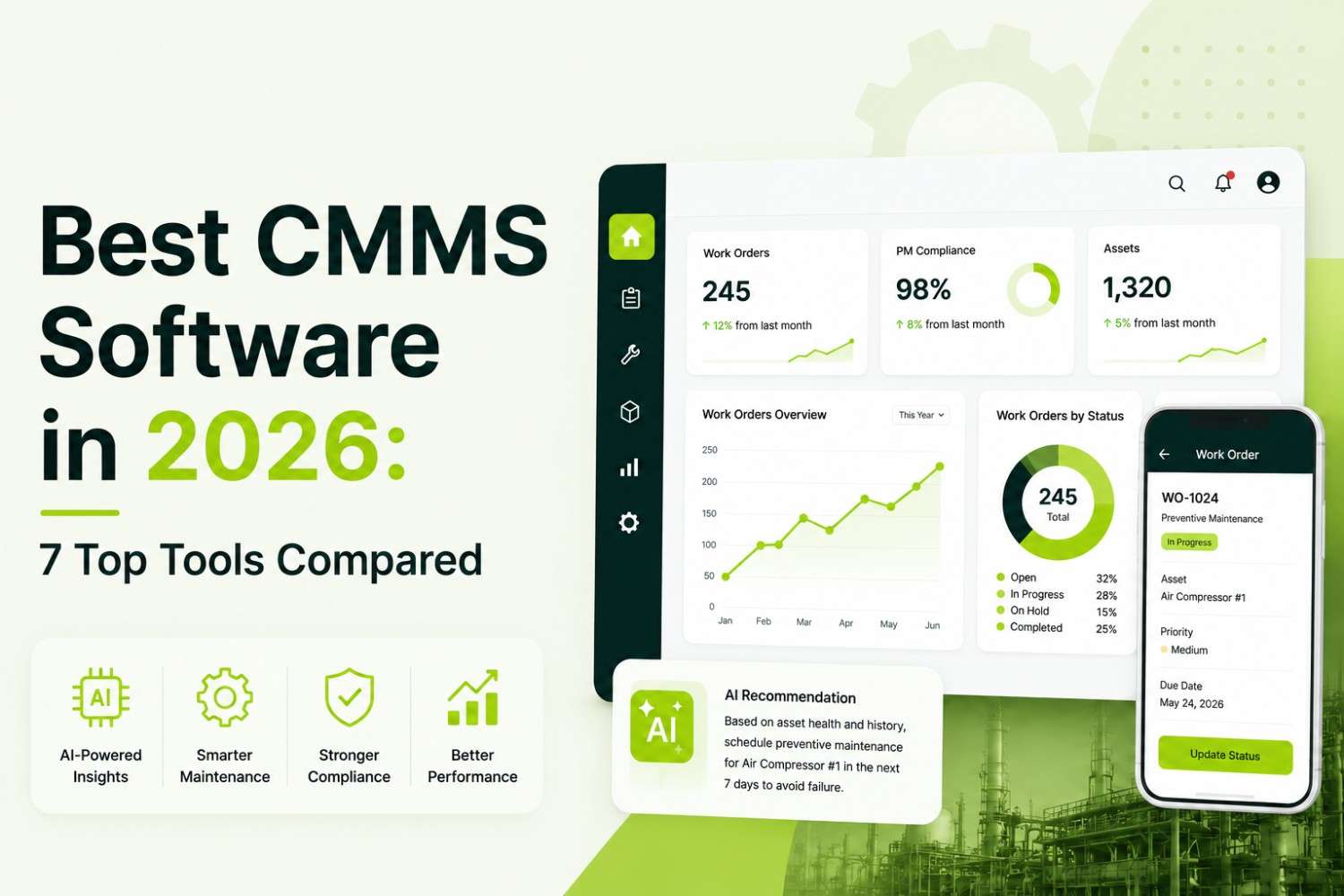
Best CMMS Software in 2026
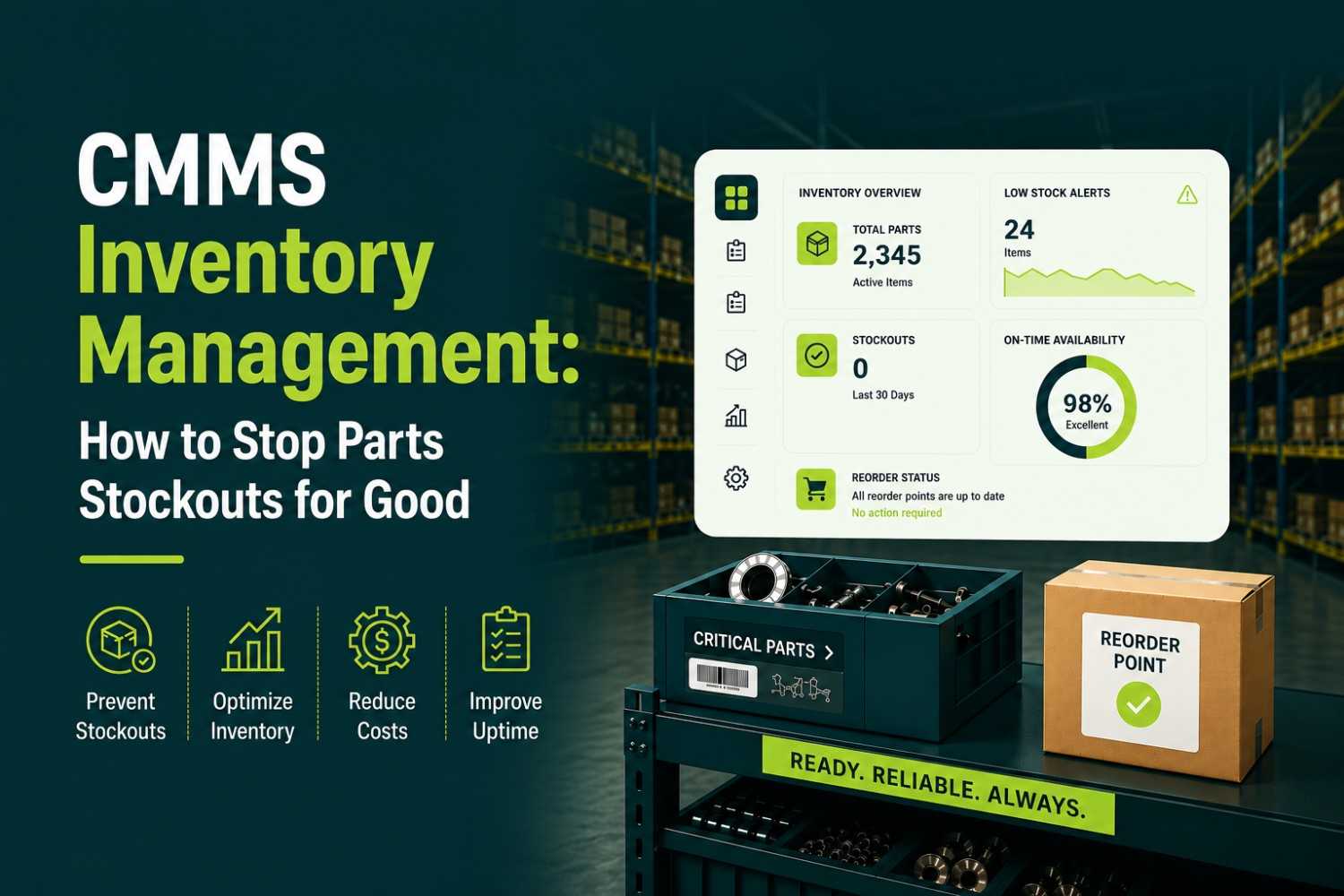
CMMS Inventory Management
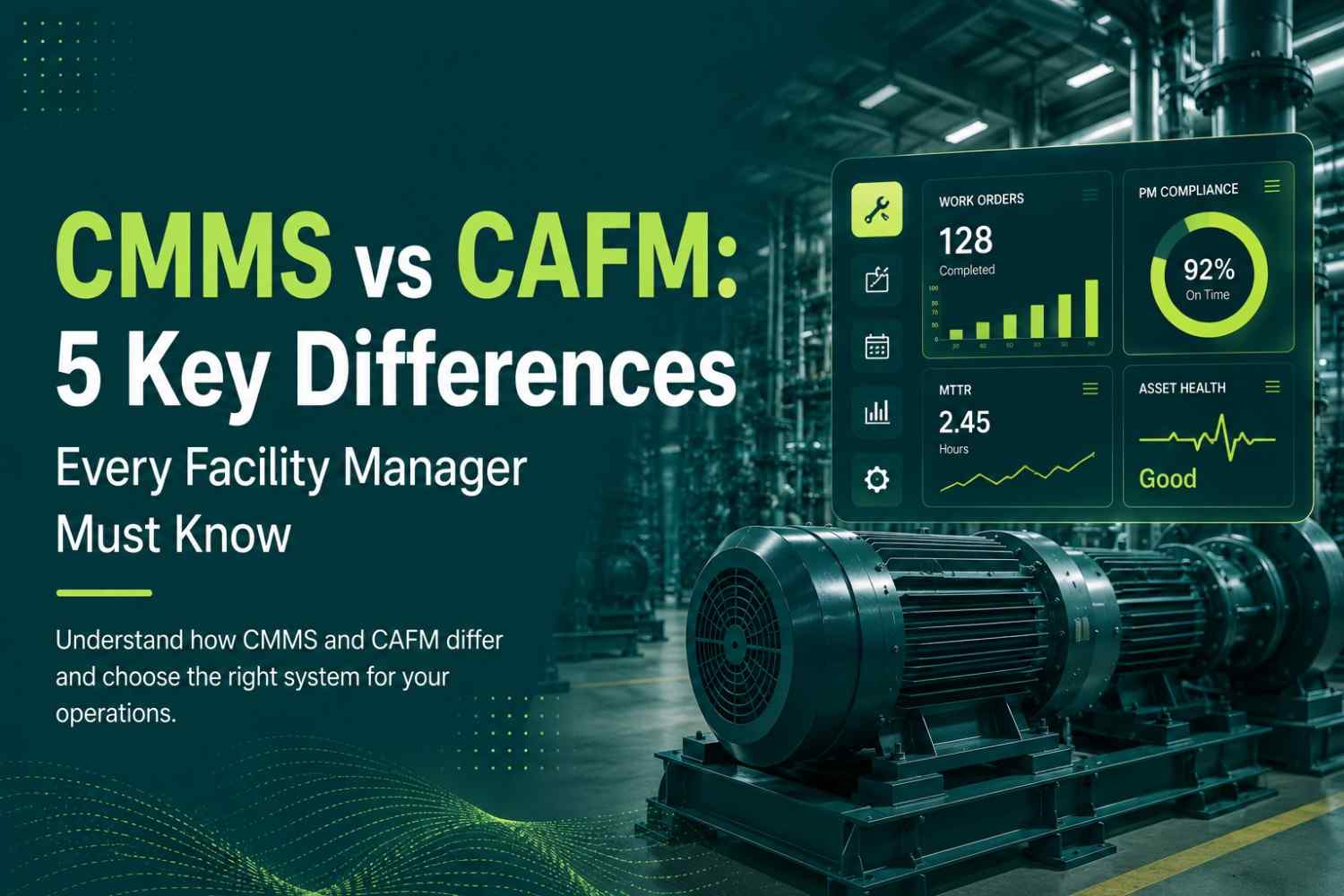
CMMS vs CAFM
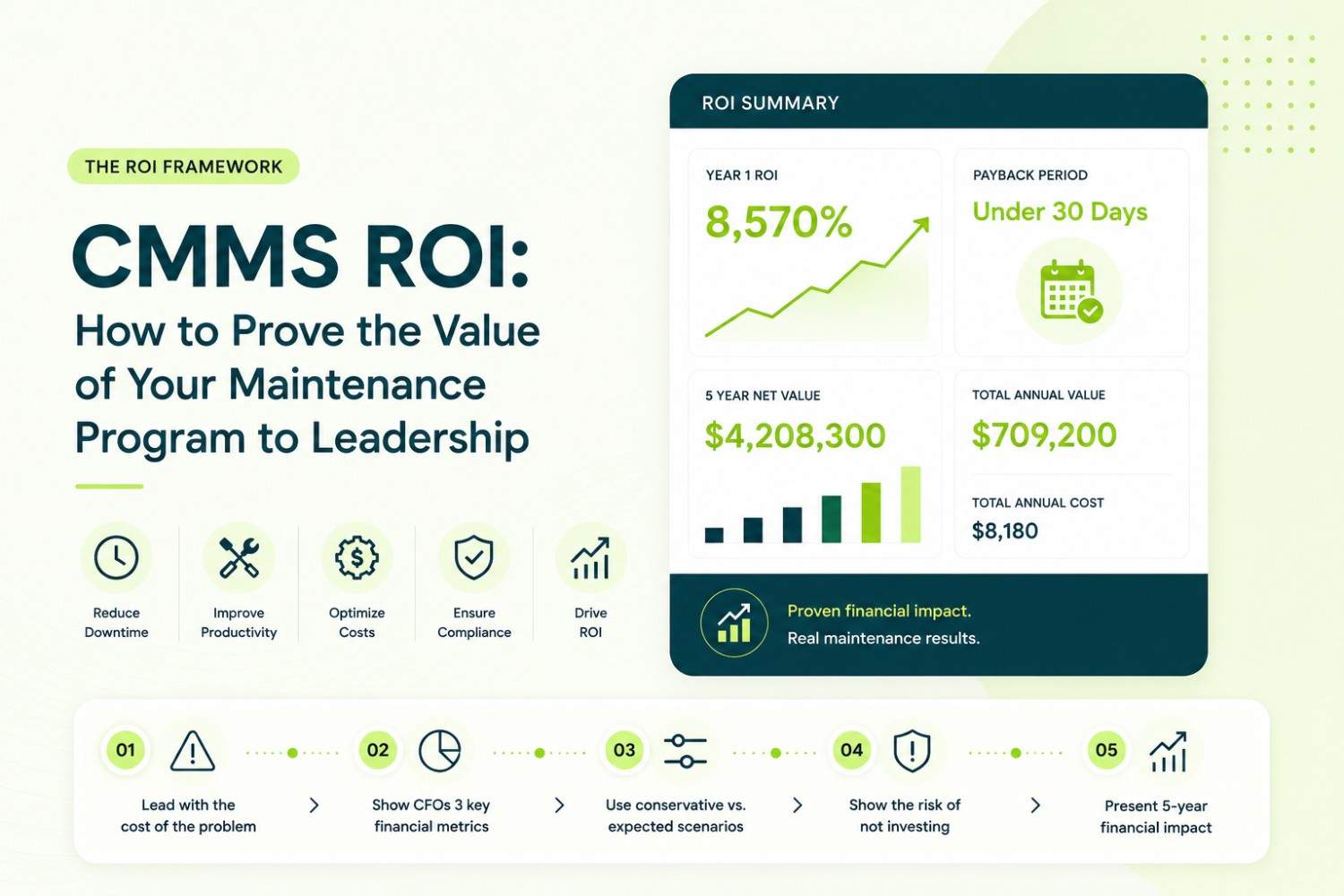
CMMS ROI
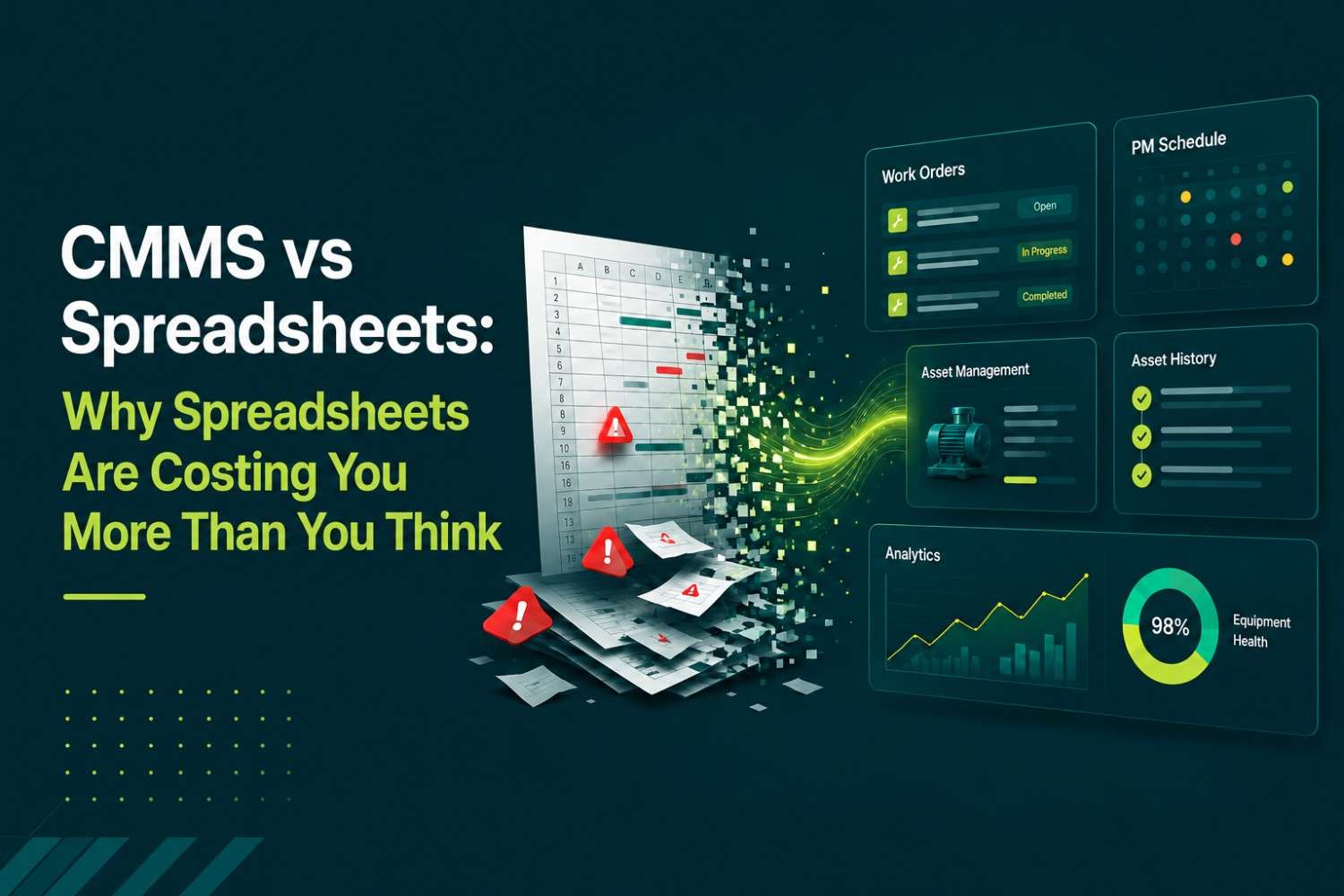
CMMS vs Spreadsheets
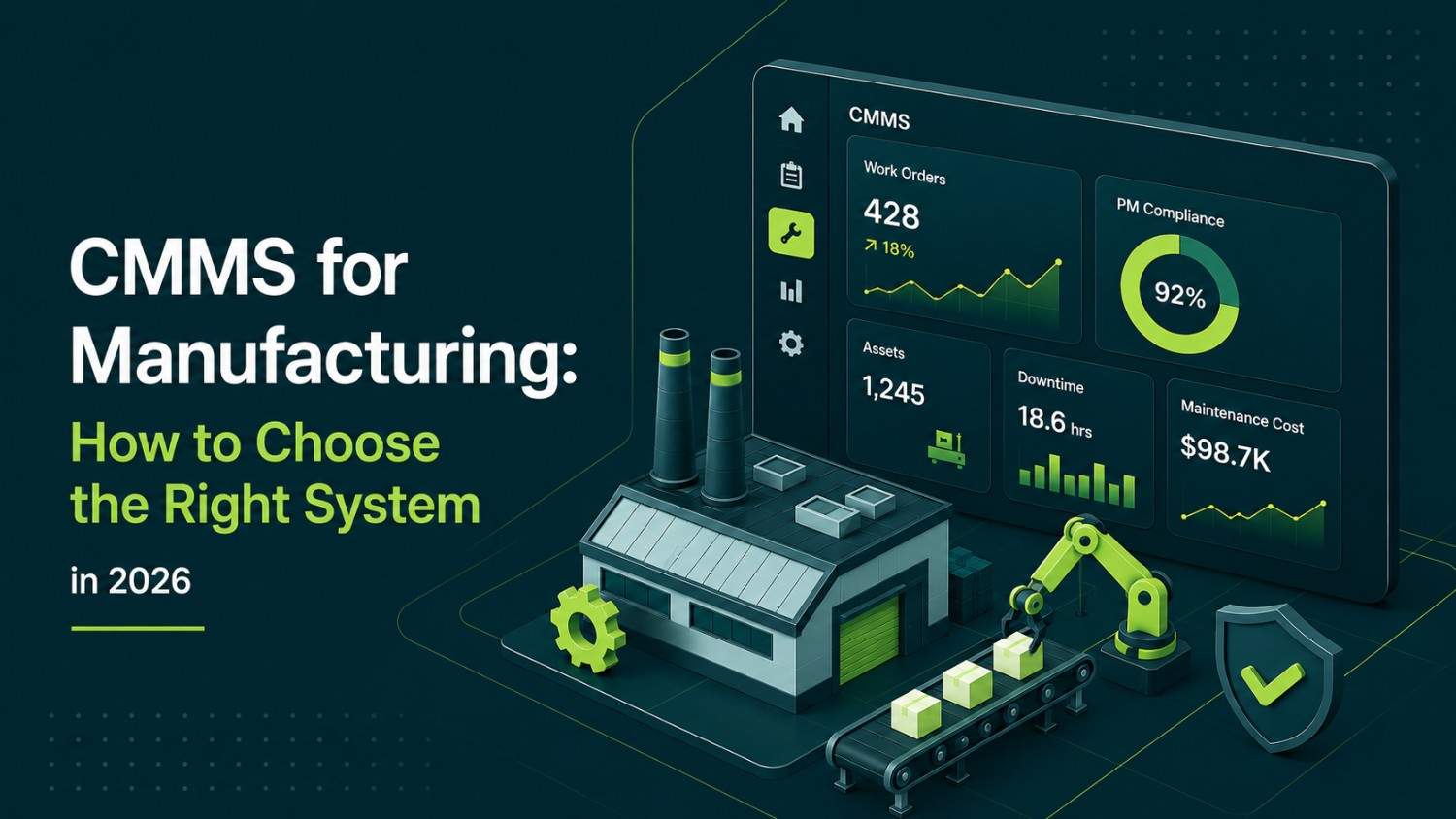
CMMS for Manufacturing
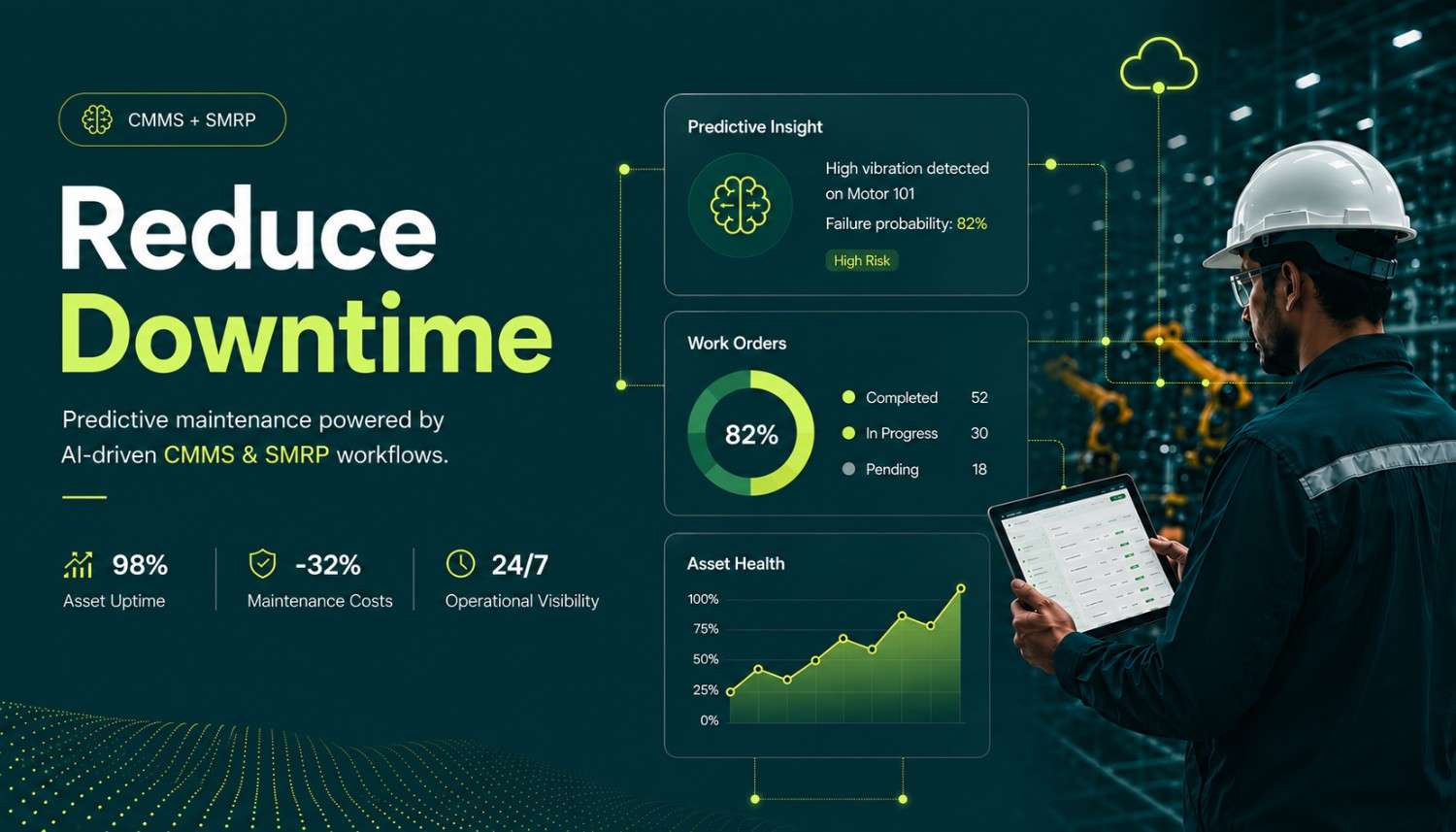
CMMS SMRP

smrp best practices
SMRP Metrics

What Is SMRP

Haccp certification

Reactive maintenance food manufacturing

Digital maintenance records

FSMA vs HACCP
HACCP Audit

Preventive maintenance checklist for haccp

Haccp checklist for food manufacturing

Haccp compliance software

Best CMMS for HACCP

HACCP in Food Manufacturing

OSHA Preventive Maintenance Requirements

OSHA Compliance Software

OSHA Recordkeeping Requirements
CMMS for OSHA Compliance

OSHA Violations

OSHA Inspections

OSHA Safety Audit Checklist

OSHA Electrical Safety Requirements

OSHA Safety Certification

osha inspection checklist

Poor maintenance limits a 20-ton rooftop HVAC unit to a nine-year lifespan, while preventive maintenance HVAC practices can extend it to 14 years or more—saving thousands in replacement costs. Implementing a commercial HVAC maintenance plan is a strategic decision that uses a preventive maintenance HVAC checklist to catch issues early and reduce unexpected repairs.

What Are OSHA Regulations?

Preventive Maintenance vs Predictive Maintenance

Preventive Maintenance Inspection

Poor maintenance can reduce your company's production capacity by 20%.

Most businesses don't realize that unplanned downtime costs them about $25,000 every hour. The numbers get even worse for bigger companies . Emergency repairs hit the wallet hard - they cost 3-4 times more than planned maintenance tasks . A good preventive maintenance strategy can save you from these headaches. This approach involves regular equipment checks and fixes before things break down. Your assets last longer, and you'll spend less money over time . The results speak for themselves - companies that switch from reactive repairs to planned maintenance see their industrial equipment lasting 40-50% longer . The reality isn't great right now. Most facilities spend less than 40% of their maintenance time on planned work. They're leaving money on the table and putting their operations at risk . This piece will give you the complete picture of preventive maintenance. You'll learn about different maintenance strategies and how to create a program that moves your team from putting out fires to staying ahead of problems.

preventive vs reactive maintenance
Preventive Maintenance Program Software

Preventive Maintenance Program
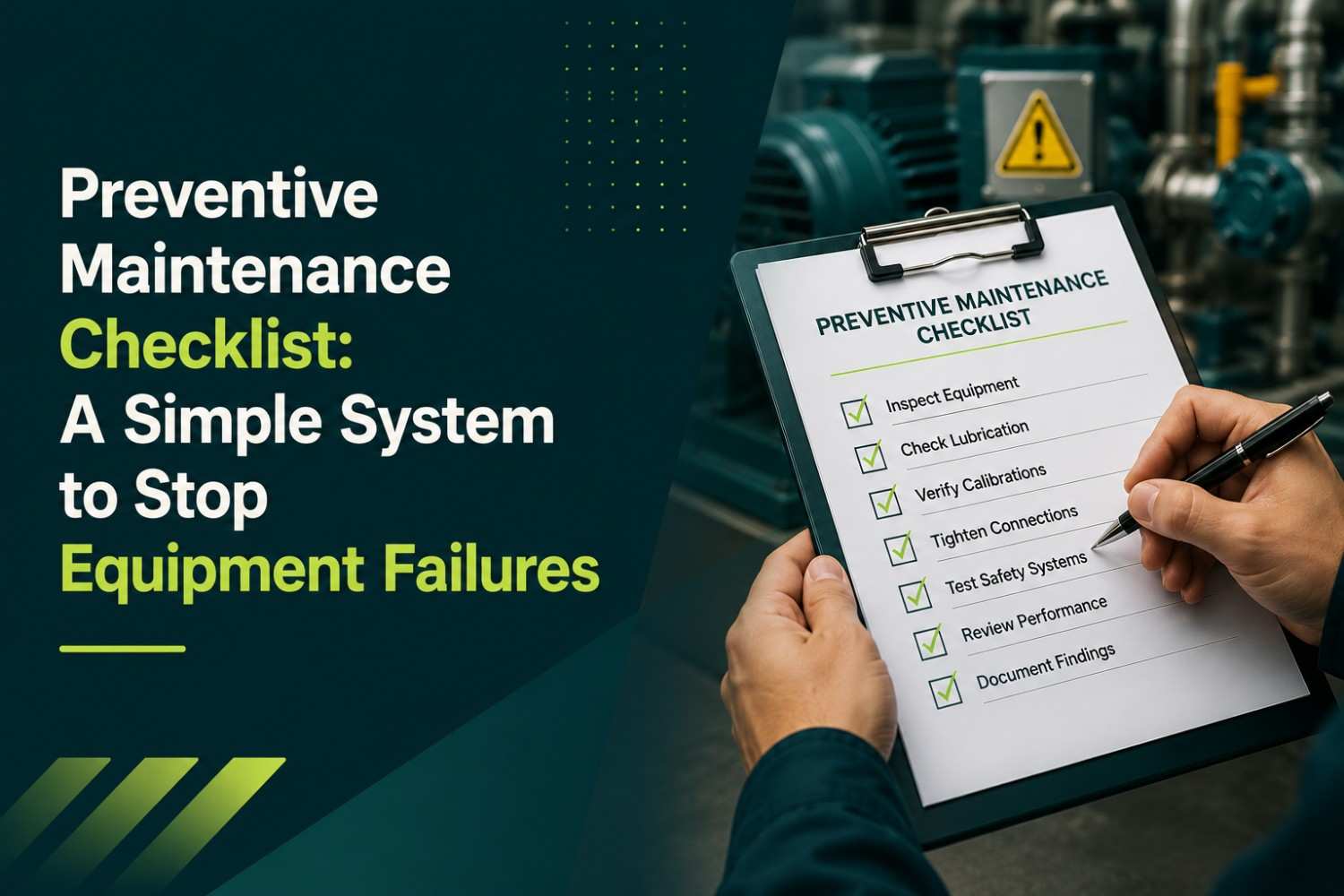
Preventive Maintenance Checklist
Preventive Maintenance Schedule
Maintenance KPIs
Work order priority levels
Work Order Software System

5 Best Manufacturing Work Order Software Programs

Work Order

Work Order Management Makes or Breaks Your Business Success

Work Order Management Dashboard

Work Order Planning

Work Order Management
Preventive Maintenance Software automates scheduling, tracking, and spare-parts management to reduce unplanned downtime, extend equipment life, and improve team productivity. This guide covers features, benefits, and how to pick the right platform.
Managing daily operations becomes effortless with the right Work Order Management Software. This powerful tool centralizes work orders, automates task assignments, improves visibility, and boosts productivity across teams. From maintenance scheduling to real-time tracking and asset management, the software helps businesses reduce downtime, enhance accountability, and operate with greater efficiency.
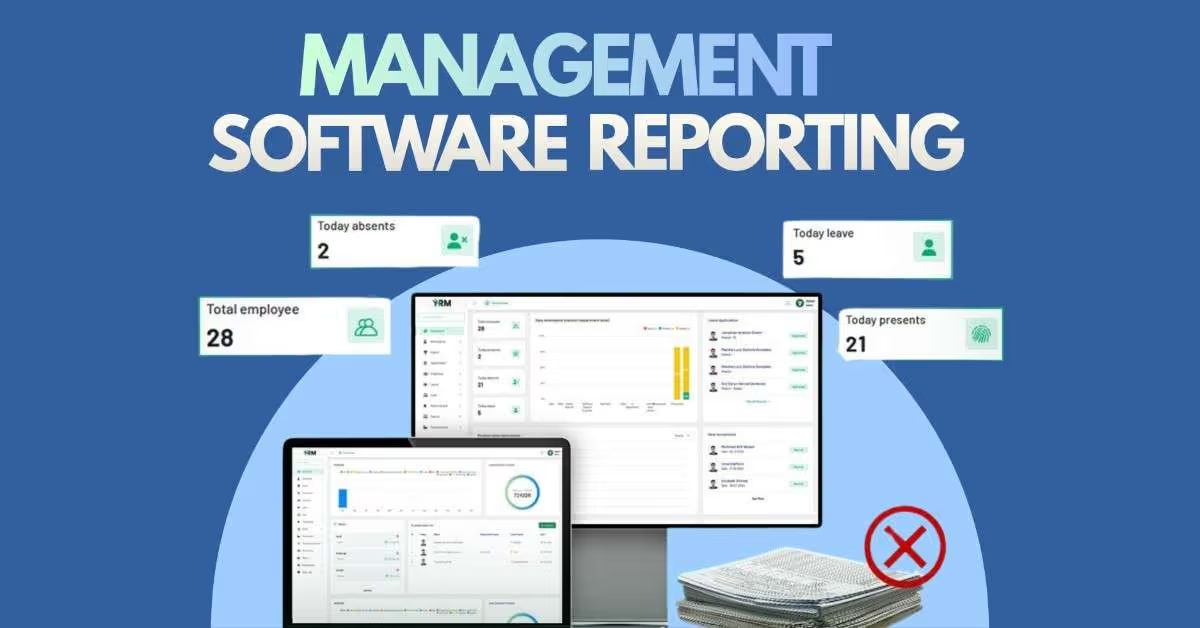
A complete global guide to management reporting software—what it is, how it works, its benefits, and why businesses across the world depend on it for smarter, faster decision-making.

Vendor management software helps modern businesses streamline onboarding, track performance, reduce risks, and manage all vendor operations in one place. This guide explains why companies are adopting VMS to scale faster with smarter, automated workflows.

AI powered maintenance is transforming how businesses manage their assets by predicting failures before they happen. From reducing downtime and optimizing service costs to improving operational reliability, this modern SaaS-driven approach helps companies scale smarter and operate more efficiently. This guide explains how AI maintenance works and why it’s becoming essential for growth.
Managing assets across multiple locations is becoming more complex, costly, and time-sensitive. This blog explores real-world Asset Management Use Cases and shows how Opmaint helps businesses reduce downtime, improve visibility, automate maintenance, and control operational costs. If your company wants better asset tracking, smarter maintenance workflows, or audit-ready compliance, this guide will help you understand why Opmaint is the right solution.

Asset Inventory Management Software helps global businesses track, optimize, and manage their physical and digital assets in real time. This guide explains how modern solutions enhance visibility, reduce costs, and ensure compliance across industries worldwide.
Learn how manufacturing asset tracking helps factories monitor equipment, reduce downtime, and improve productivity using real-time data, QR codes, and modern CMMS tools.

Any form of downtime, for facility managers and the heads of operations, means lost revenue. Automation systems are the backbone of operational efficiency in industries such as manufacturing, food and beverage, retail, and facilities management. At the heart of these automation systems lies the highly flexible programmable logic controller (PLC), a device used for controlling machinery, monitoring processes, and ensuring smooth operations. From now on, discussing a PLC will not be so much optional as a strategy for teams to boost productivity and reduce unplanned maintenance.
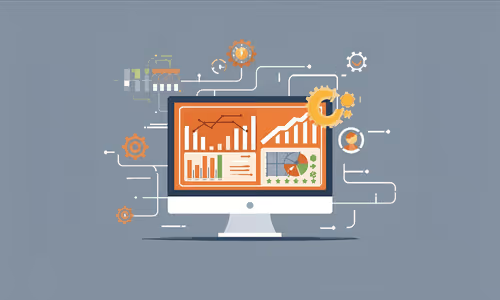
For facility managers, operations heads and maintenance groups, unplanned downtime isn’t merely inconvenient; it is costly. Efficiency hinges upon continuous monitoring and prompting timely interventions in industries such as manufacturing, food and beverages, retail, and facilities management. SCADA systems allow managers to see operations in real time and engage in proactive maintenance, workflow optimization, and downtime elimination. Using SCADA in conjunction with new maintenance platforms offers opportunities for teams to evolve from reactive faultfinding to strategic operational management.
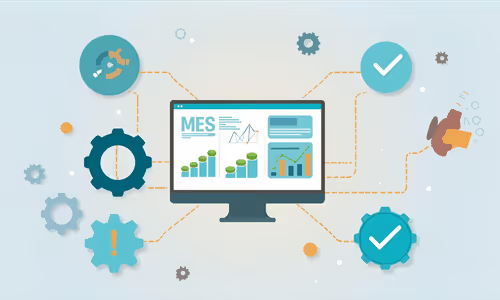
Manufacturing Execution Systems (MES) play a key role in modern maintenance management by bridging the gap between the shop floor and enterprise-level planning. MES standards create a framework for consistency, data accuracy, and improved workflows. In this blog, we explore what MES standards mean for maintenance teams, how they drive efficiency, and how integrating MES with a CMMS can lead to smarter scheduling, reduced downtime, and better productivity.
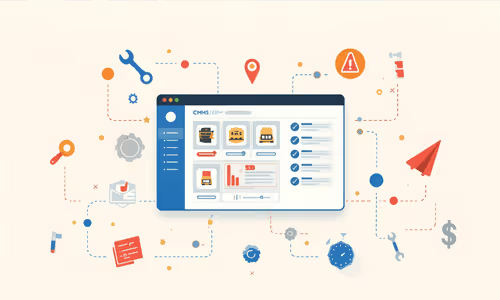
CMMS and EAM are two terms often used in the world of asset management, but they are not the same. A CMMS (Computerized Maintenance Management System) focuses on managing maintenance tasks, work orders, and equipment records. An EAM (Enterprise Asset Management) system goes a step further by managing the entire asset lifecycle, from acquisition to disposal. In this blog, we will explain the core differences between CMMS and EAM software, their benefits, and how to choose the right one for your organization.

Production efficiency is all about getting the most out of your resources without sacrificing quality. Whether it is cutting downtime, improving workflows, or making better use of data, small changes can create big gains. In this guide, we will break down what production efficiency means, why it matters, and how a CMMS can help track performance, streamline tasks, and remove bottlenecks that slow your operations.
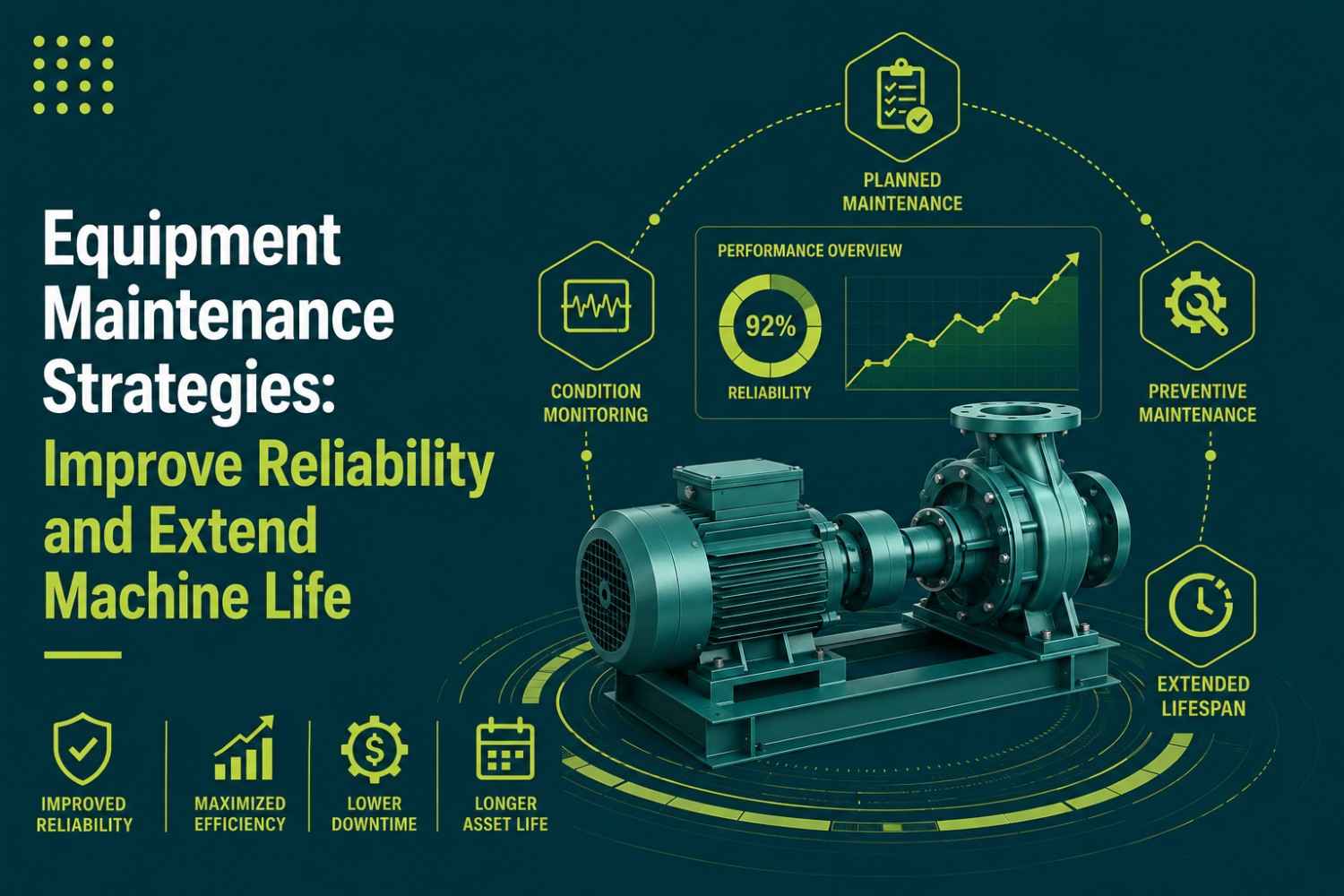
Equipment maintenance is more than just fixing things when they break. It is the planned care, inspections, and servicing of equipment to keep it running efficiently and safely. A strong maintenance strategy prevents costly downtime, extends the life of assets, and reduces unexpected repairs. In this blog, we will explore what equipment maintenance involves, how to create a reliable schedule, and how a CMMS can help you manage tasks, track performance, and save time.
Every building, whether it's an office, school, hospital, or warehouse, needs regular upkeep to stay safe, functional, and efficient. Building maintenance covers everything from HVAC and lighting to plumbing, safety checks, and structural care. In this guide, we’ll break down the types of building maintenance, why it matters, and how a CMMS makes it easier to stay on top of routine tasks, emergency fixes, and long-term planning without missing a beat.
Every organization relies on physical assets, whether it’s machinery, vehicles, or buildings. Managing those assets properly means keeping them productive, safe, and cost-effective throughout their entire lifecycle. That’s where physical asset management and maintenance come in. In this beginner-friendly blog, we’ll break down what each term means, how they overlap, and how your CMMS can help you track, maintain, and maximize the value of every asset you own.
People often use “repair” and “maintenance” interchangeably, but they serve very different purposes. Maintenance is proactive and helps prevent breakdowns before they happen. Repair is reactive and only comes into play when something has already gone wrong. In this blog, we’ll explore the core differences between the two, why both matter, and how your CMMS can help balance them to reduce costs, extend asset life, and keep operations running smoothly.
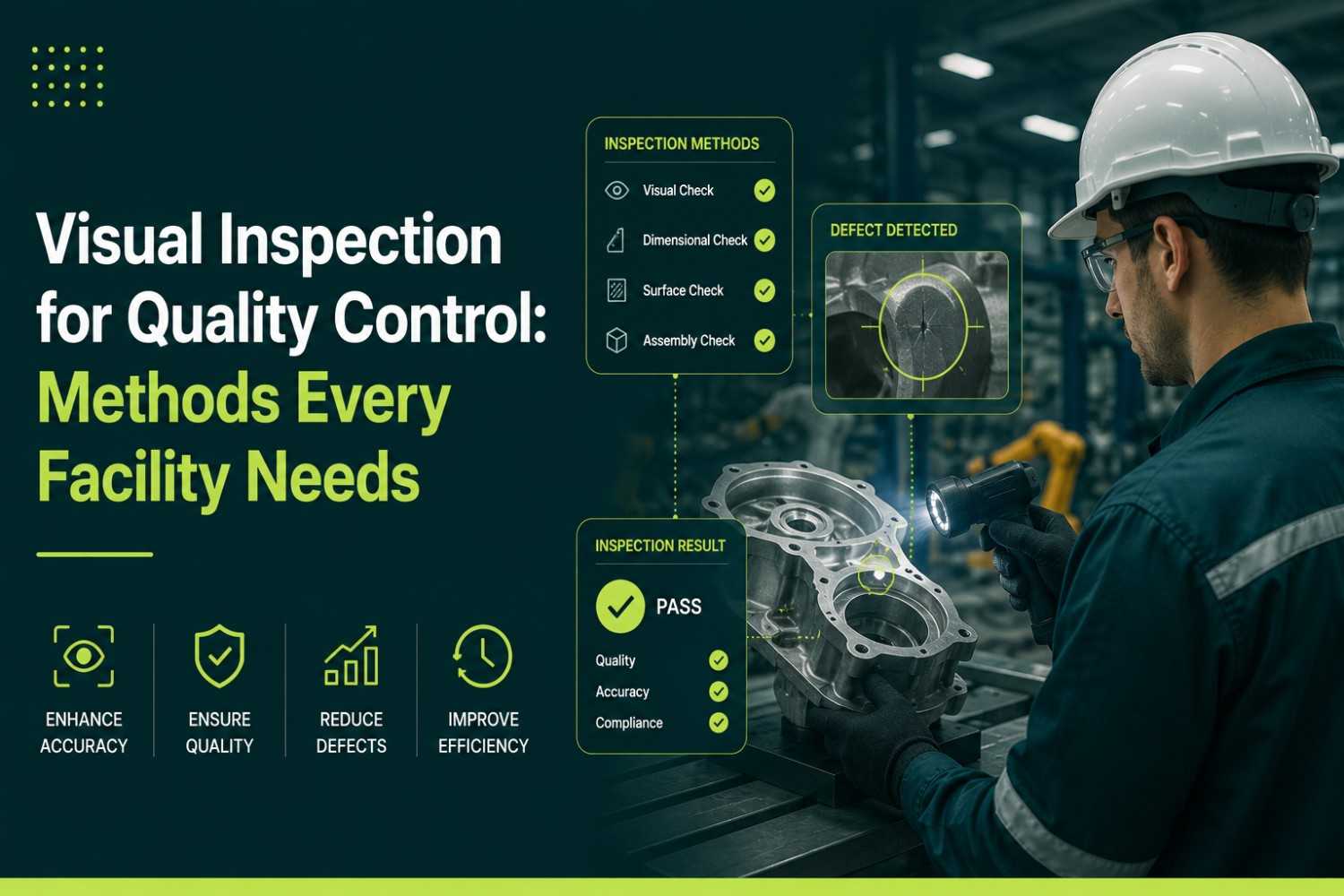
Sometimes, a quick look tells you everything. Visual inspection is one of the oldest and most effective tools in quality control, and when done right, it prevents defects, ensures safety, and keeps production running smoothly. Whether it’s spotting a misaligned part, checking for wear, or verifying cleanliness, visual checks play a critical role in daily operations. This blog breaks down why visual inspections matter, how to standardize them, and how your CMMS can help track, assign, and document every check without missing a beat.
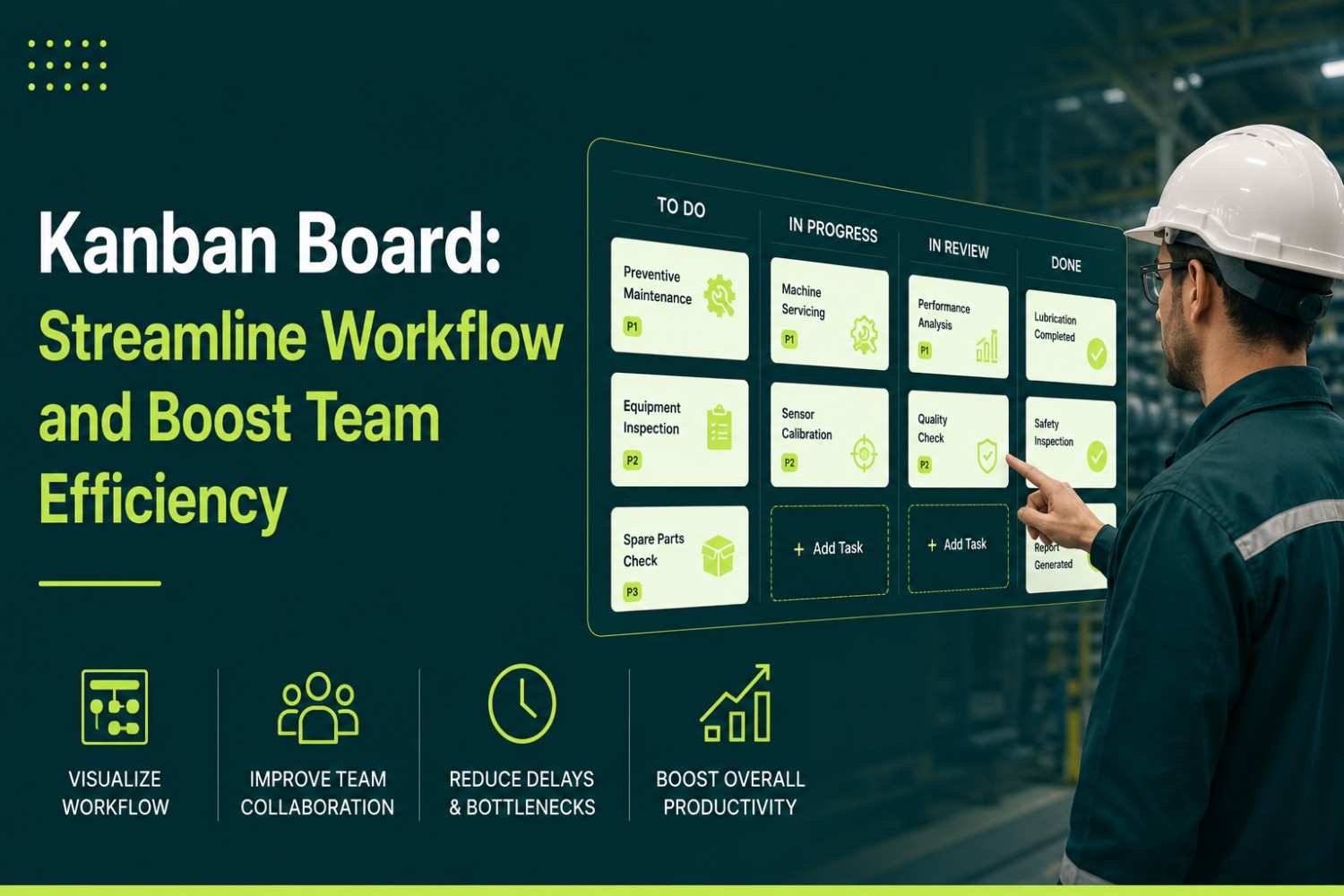
Too many sticky notes? Lost in task lists? Kanban boards are a simple but powerful way to visualize work and bring order to chaos. Whether you’re tracking maintenance jobs, inspections, or preventive tasks, Kanban boards help teams see what needs doing, what’s in progress, and what’s done, all at a glance. In this blog, we’ll explore how Kanban boards work, how they support maintenance workflows, and how integrating them into your CMMS can make your team faster, more focused, and more efficient.
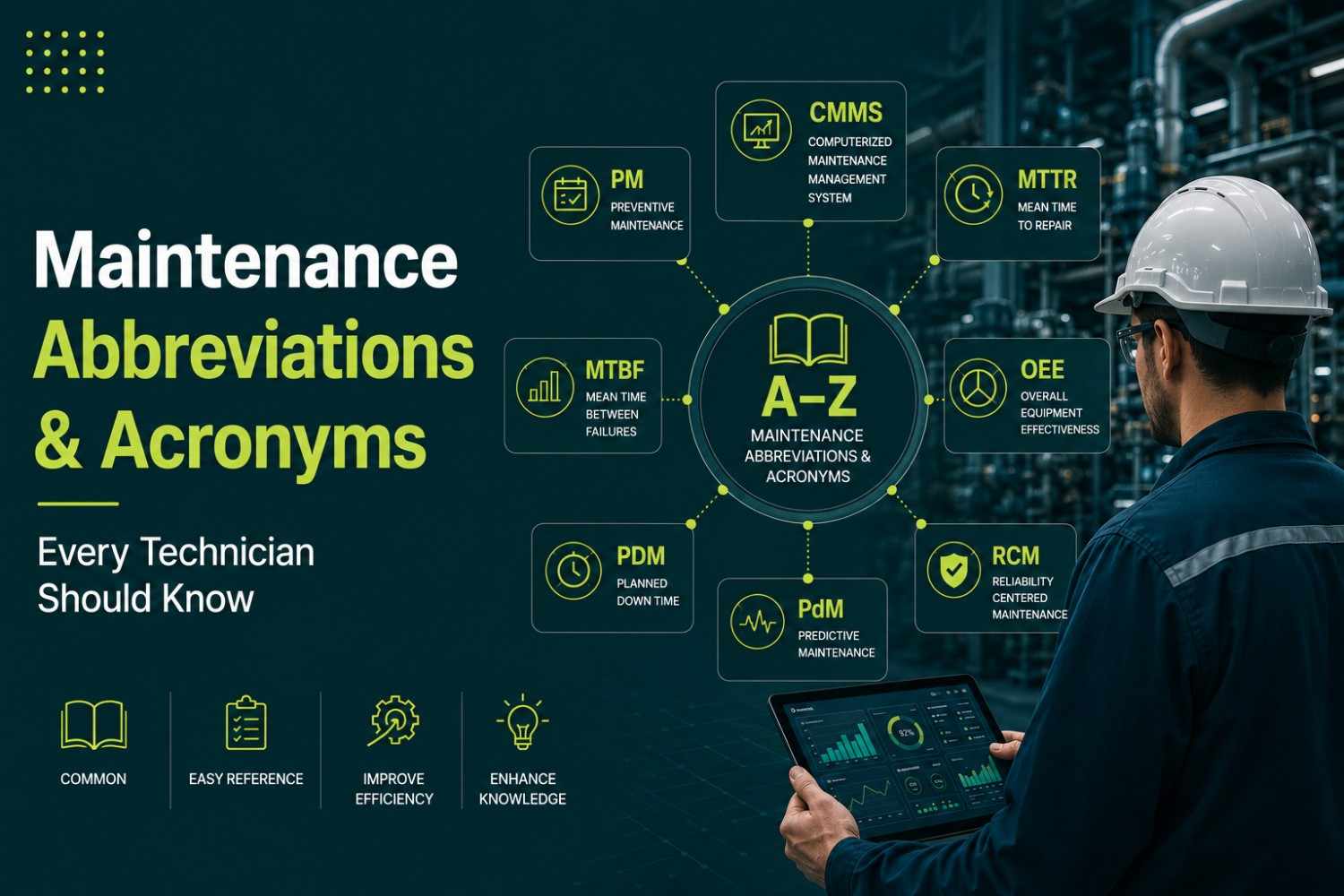
Stuck between an MTBF and a PM while using your CMMS? You’re not alone. The world of maintenance is packed with abbreviations that can feel overwhelming, especially if you're new to the industry. This ultimate guide breaks down the most common maintenance acronyms and abbreviations, from the obvious ones like CMMS and OEE to the more technical terms like RCM and PdM. Whether you're building a strategy or reading a report, this blog will help you speak maintenance like a pro.
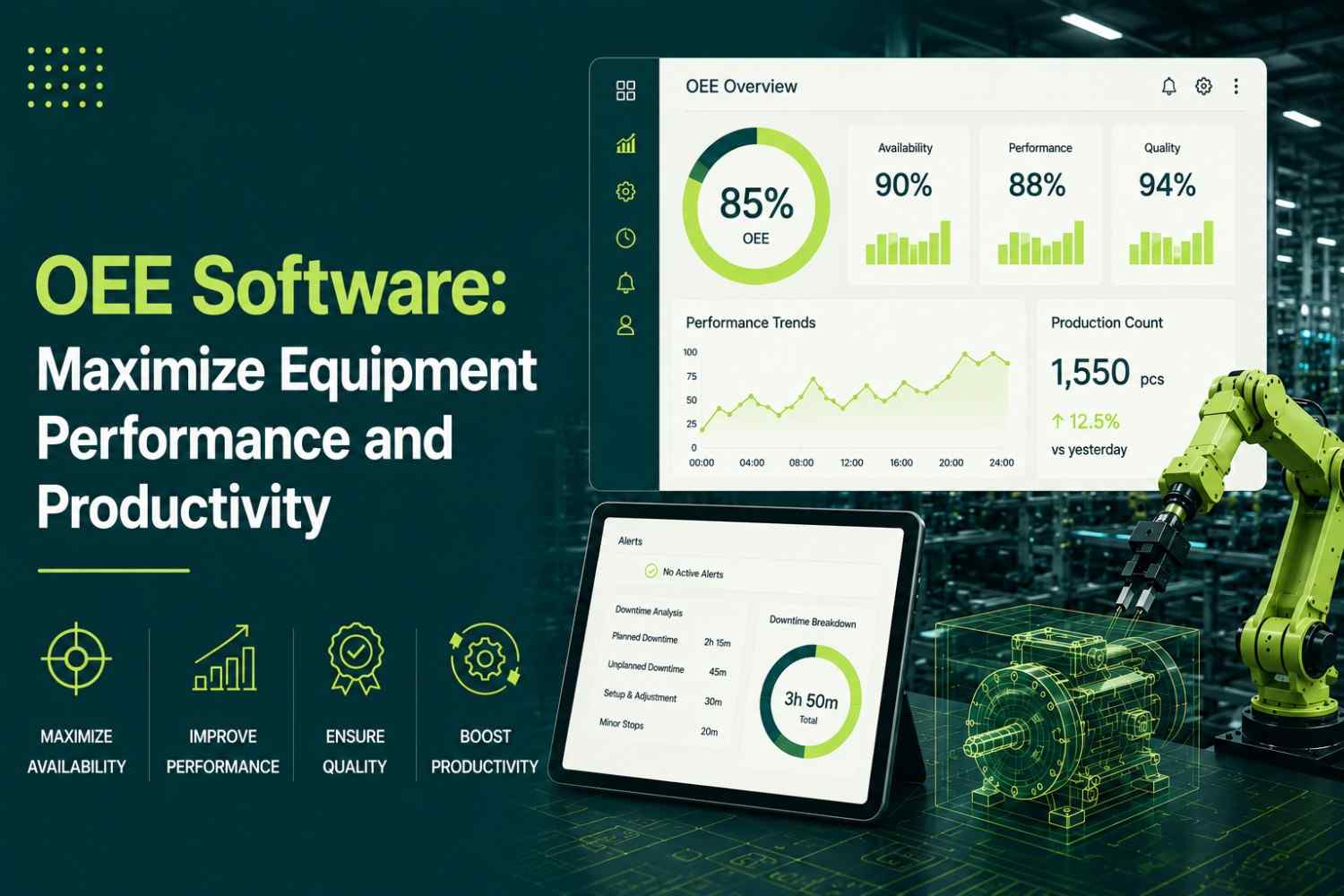
Is your equipment actually performing as well as you think? OEE: Overall Equipment Effectiveness, gives you the answer. It’s one of the most powerful metrics for measuring how efficiently your machines run by combining availability, performance, and quality into a single percentage. In this blog, we’ll break down how OEE works, why it matters, and how tracking it through your CMMS can help you reduce downtime, improve output, and boost overall plant efficiency.
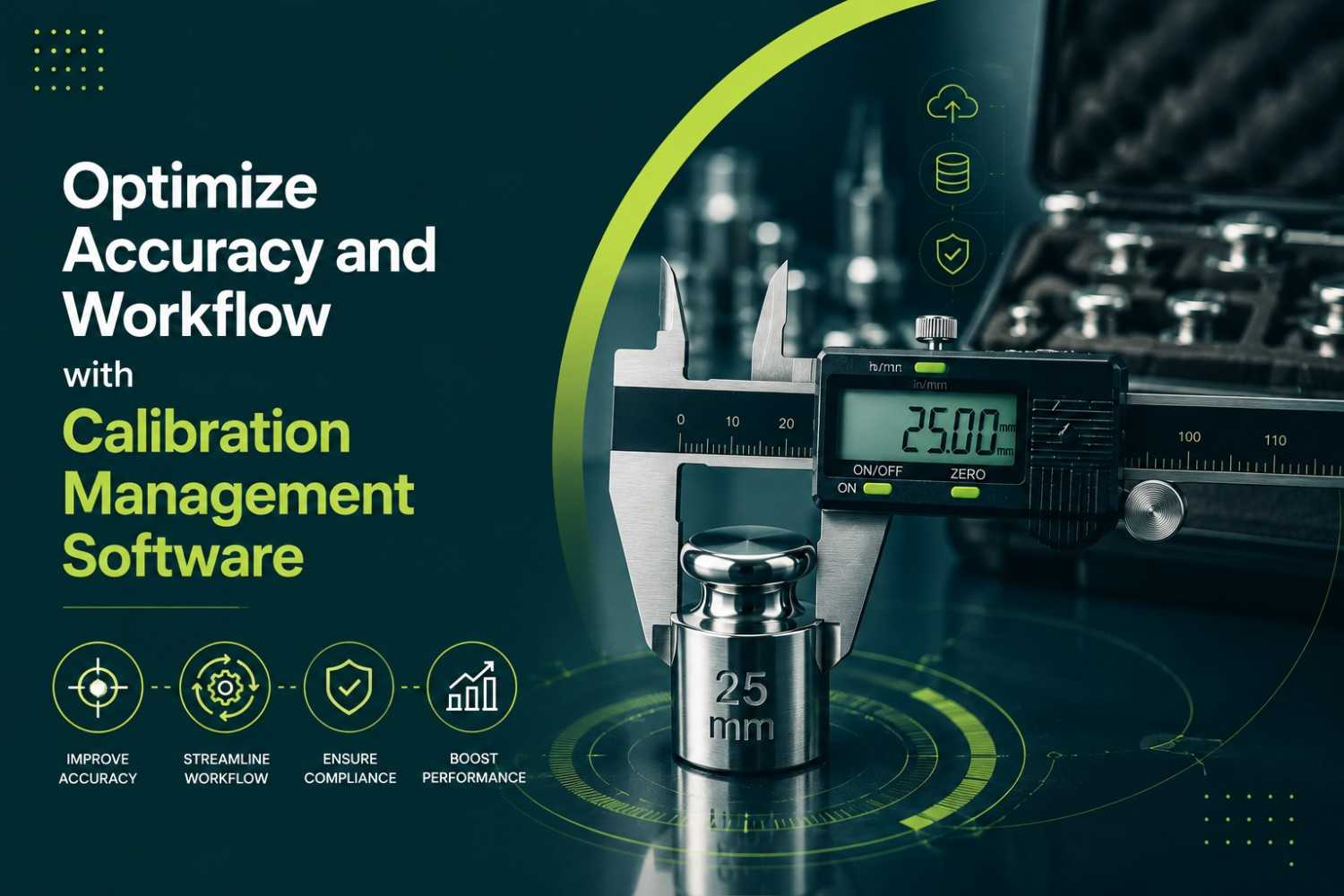
In industries where precision is everything, calibration isn’t optional it’s essential. From lab instruments to industrial sensors, even the smallest drift can lead to costly errors or compliance risks. Calibration management software helps track, schedule, and document every calibration task with ease. In this blog, we’ll explore how integrating it with your CMMS can automate reminders, maintain audit trails, and ensure every piece of equipment performs exactly as it should.

In the restaurant world, consistency isn’t optional, it’s expected. From food prep and hygiene to opening duties and equipment care, every task needs to be performed the same way, every time. That’s where restaurant SOPs (Standard Operating Procedures) come in. In this guide, we’ll break down why SOPs matter, what to include, and how using a CMMS can make it easier to organize, update, and track them across your entire operation.

Behind every lush fairway and smooth green is a maintenance team working early mornings and long days. Golf course maintenance is more than mowing grass it’s a careful balance of turf care, irrigation, equipment upkeep, and environmental responsibility. In this beginner’s guide, we break down the key areas of golf course maintenance and how using Opmaint can help streamline scheduling, equipment servicing, and overall course management.
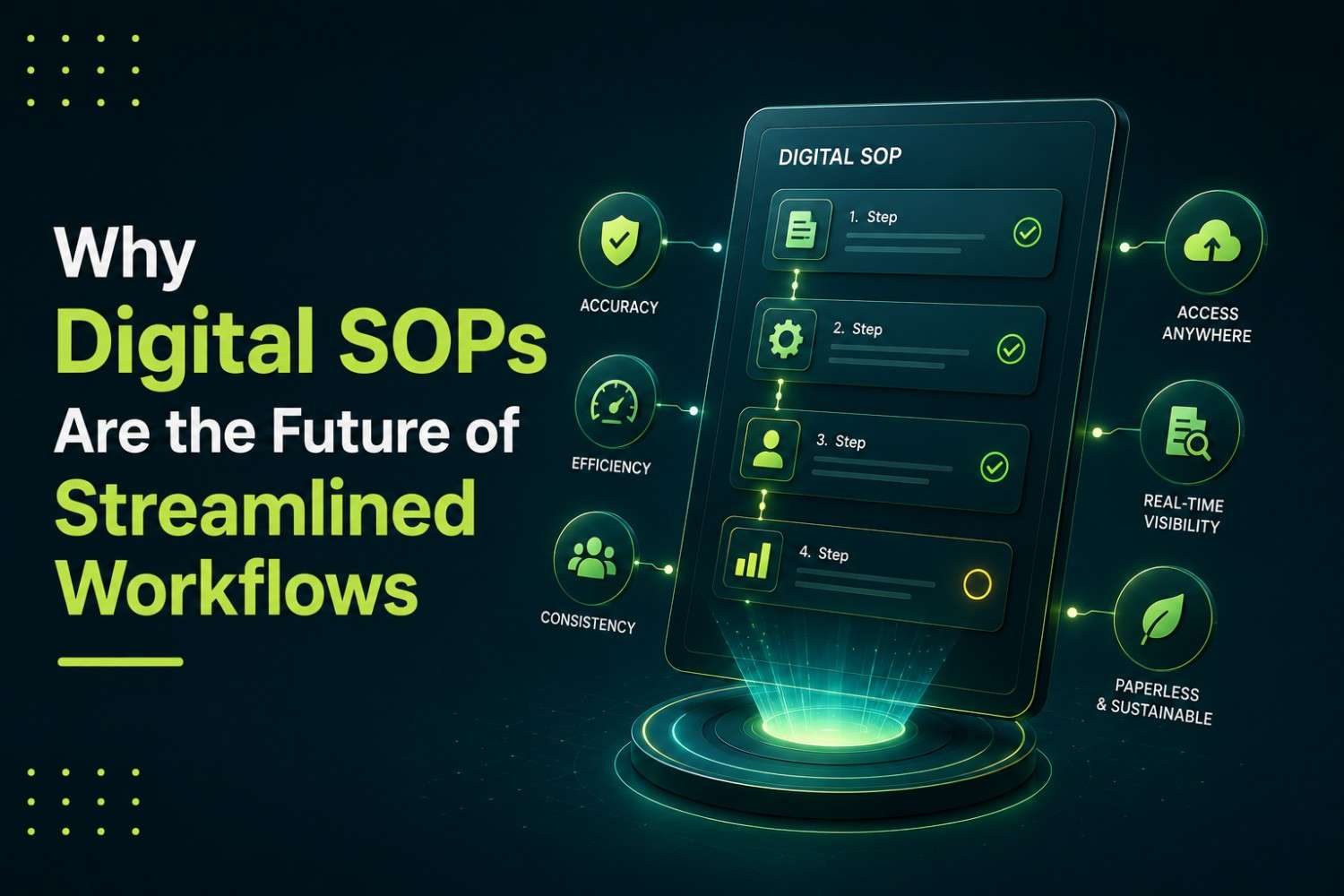
Standard Operating Procedures (SOPs) are the backbone of smooth business operations but paper-based versions are easy to lose, hard to update, and rarely followed. Enter digital SOPs. By digitizing your procedures and managing them through a CMMS, you can ensure tasks are completed the right way every time. This blog walks you through how digital SOPs improve consistency, simplify onboarding, and reduce errors, all while giving you more visibility into how work gets done.
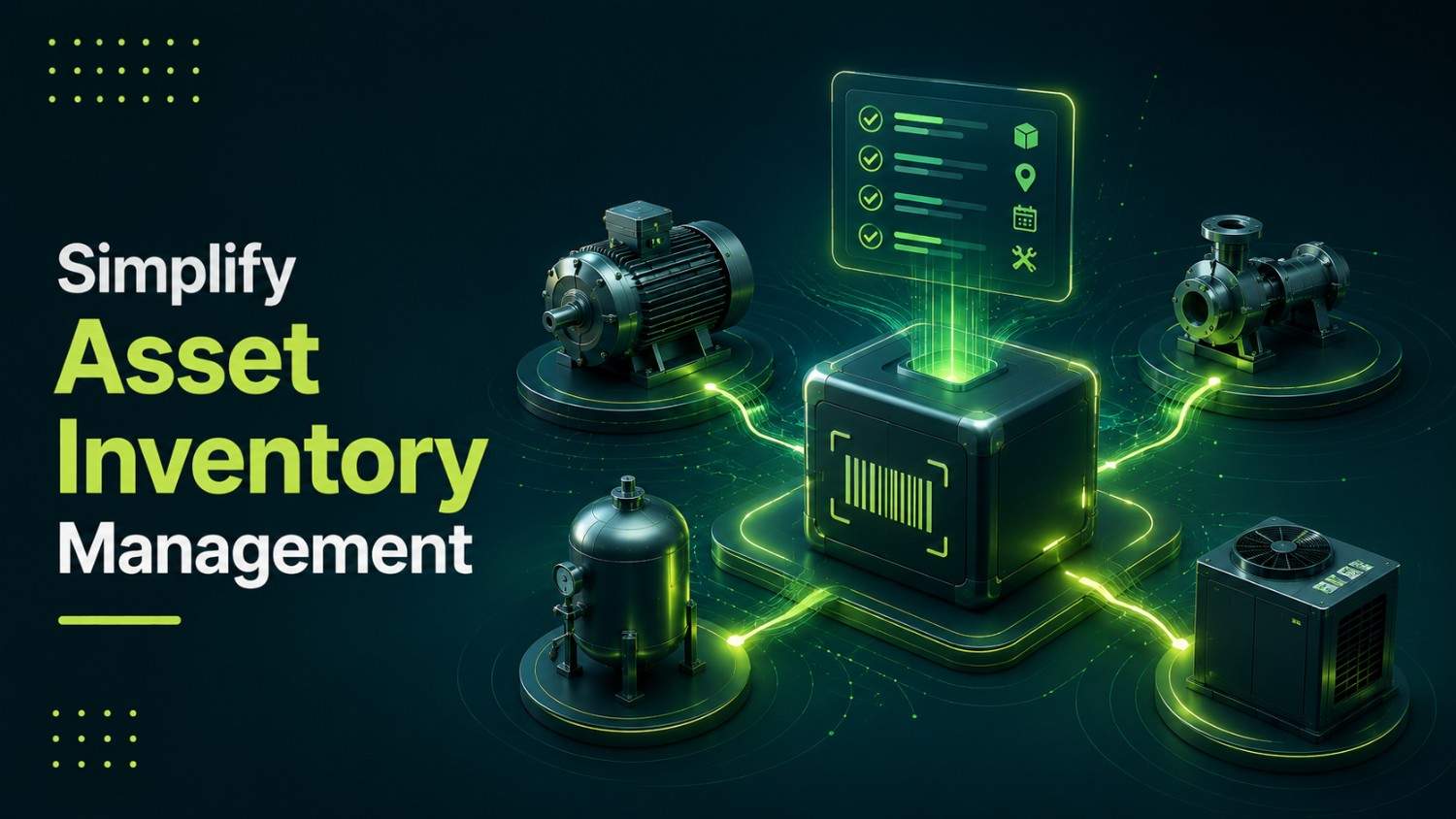
Tracking every asset manually? Spreadsheets breaking under pressure? You’re not alone. Asset inventory management doesn’t have to be complicated or time-consuming. With the right tools and a clear process, you can get full visibility into every asset: what you have, where it is, and what condition it’s in. In this blog, we’ll show you how to simplify asset inventory using your CMMS, reduce chaos, and keep your maintenance team a step ahead.
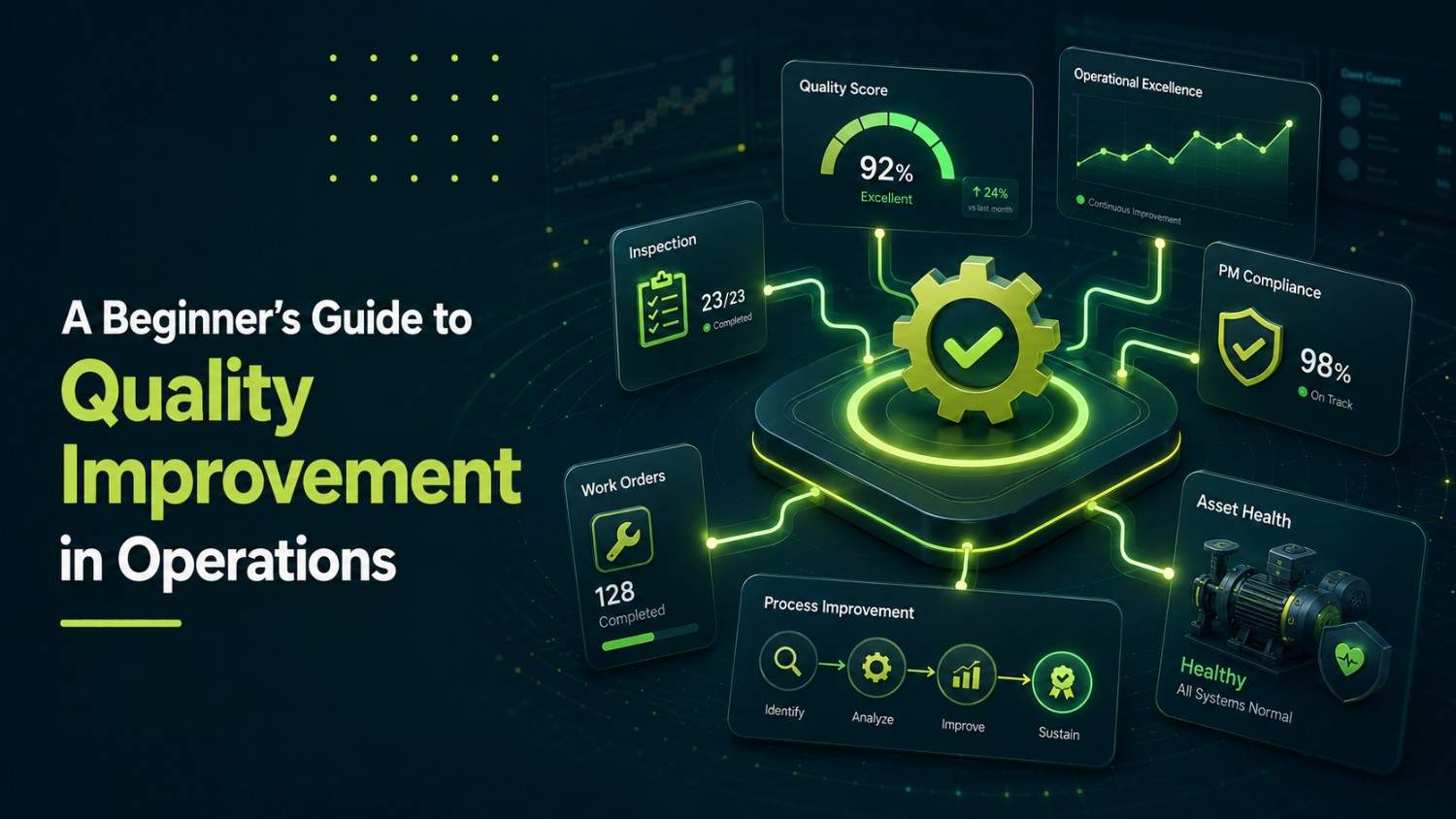
Quality improvement isn’t just a buzzword it’s the secret to more efficient operations, fewer breakdowns, and better team performance. Whether you're managing a maintenance team or just starting your journey in operations, this beginner-friendly guide breaks down what quality improvement really means, how to get started, and the role your CMMS can play in making changes stick. No jargon, no fluff just simple steps with measurable results.
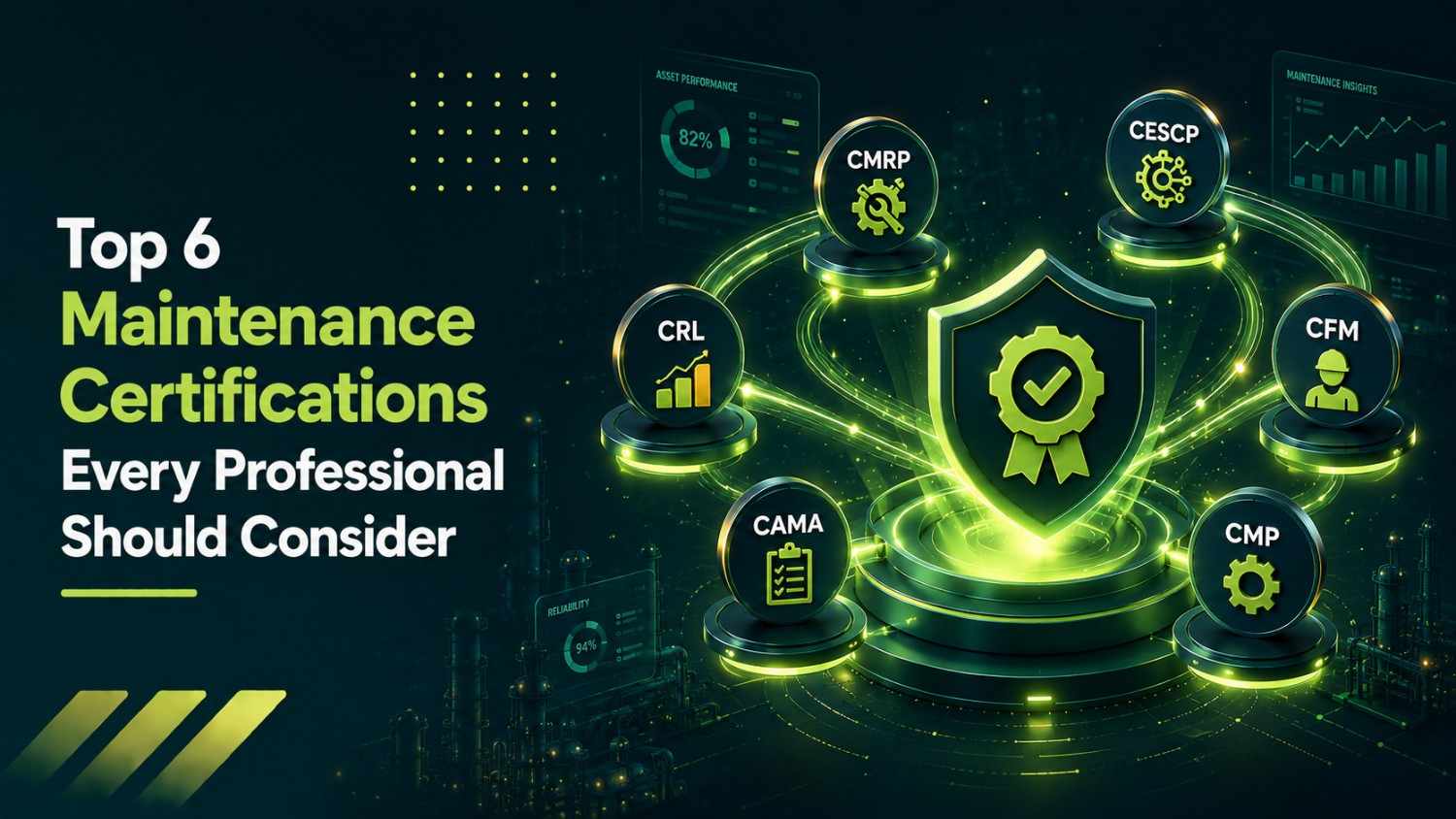
In the fast-evolving world of maintenance, technical skills alone aren’t always enough. Certifications validate your expertise, open new career paths, and signal to employers that you're serious about growth. Whether you’re just starting out or looking to specialize, this blog highlights six highly respected maintenance certifications from reliability to asset management and how they can fit into your career journey. Plus, we’ll share how having a CMMS background can give you an edge while pursuing them.
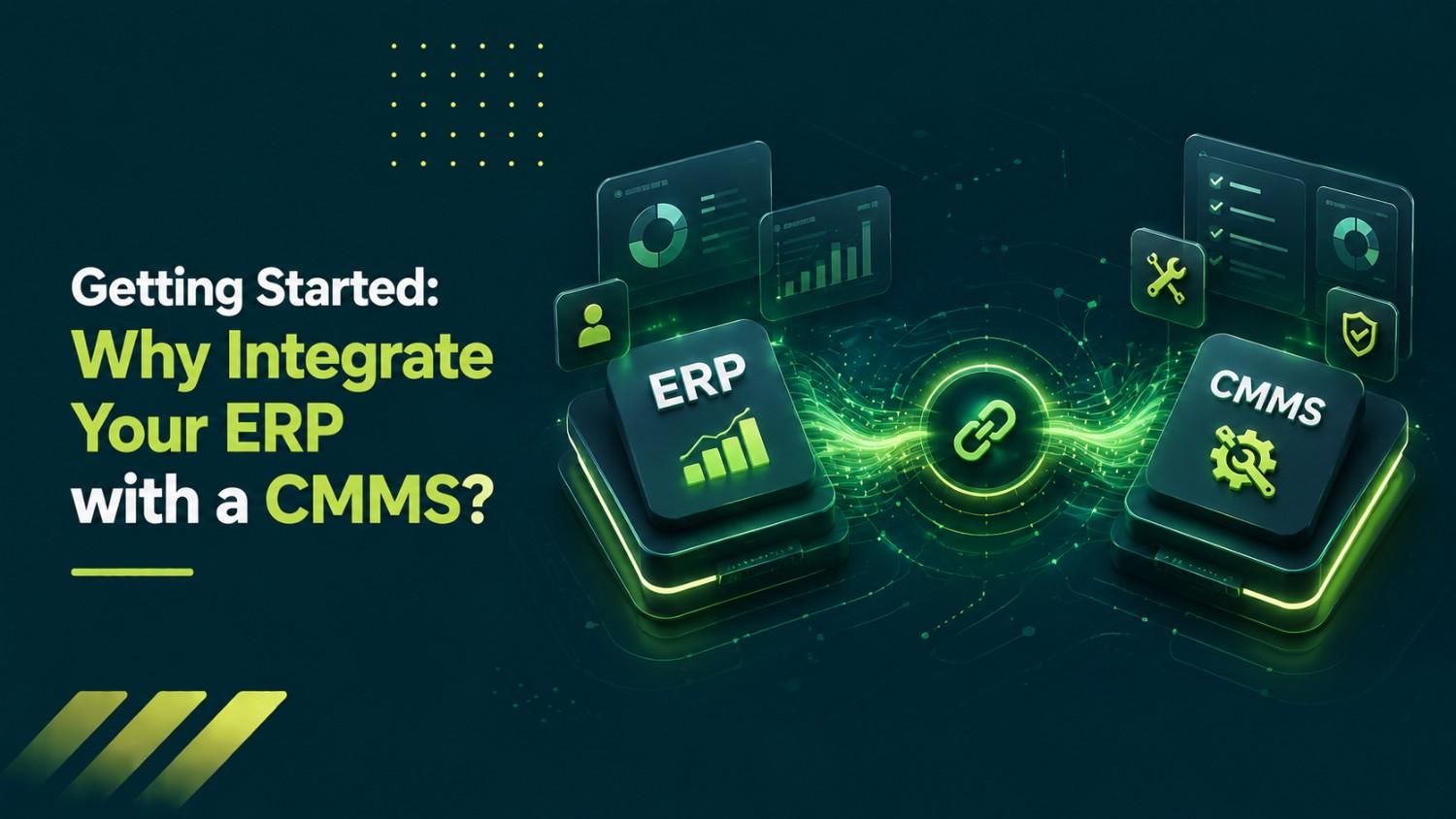
ERP systems manage the big picture: finance, HR, procurement while a CMMS handles the nuts and bolts of maintenance. Integrating the two creates a seamless flow of data between departments, eliminates duplicate entries, and improves both asset visibility and decision-making. In this blog, we walk you through why this integration matters, what benefits it brings, and how to get started without turning it into a tech nightmare.
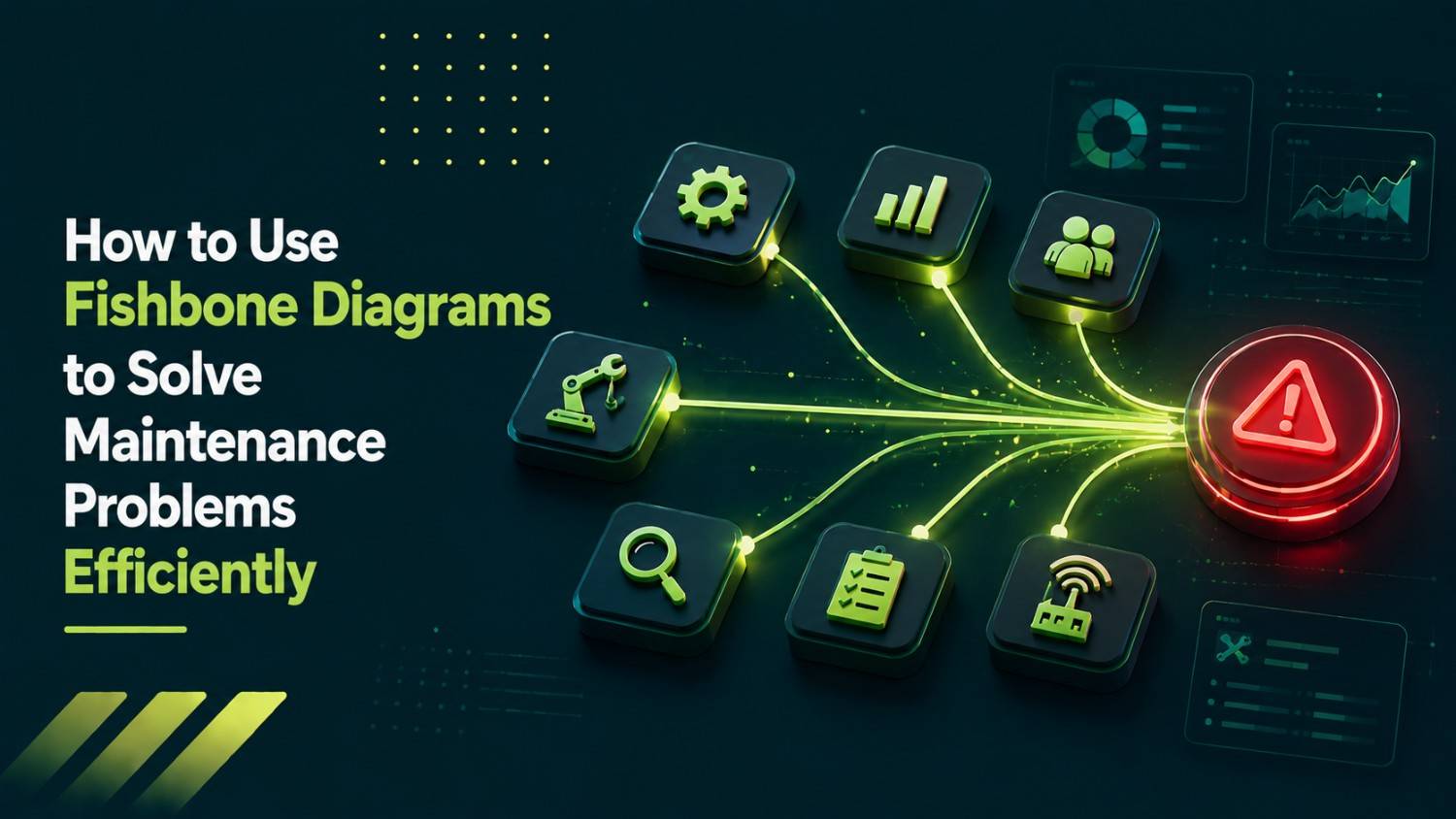
When equipment fails or issues keep repeating, guessing the cause just won’t cut it. That’s where the fishbone diagram comes in: a simple yet powerful visual tool to uncover root causes in maintenance problems. Also known as the Ishikawa diagram, it helps teams map out all possible factors behind a breakdown or recurring fault. In this blog, we’ll show you how to build one, how to use it effectively, and how integrating it with your CMMS can lead to faster, smarter repairs.
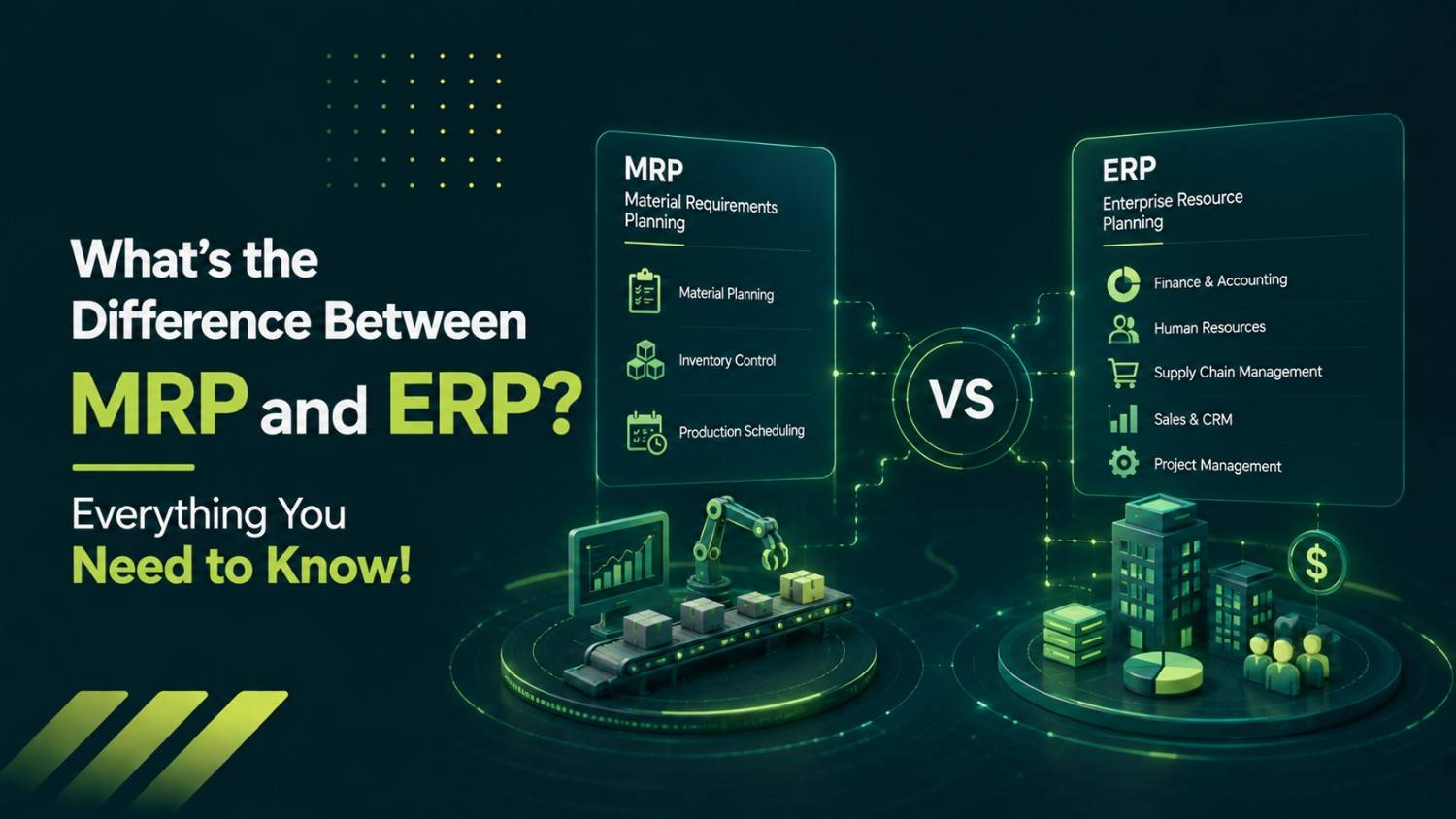
MRP and ERP might sound like alphabet soup, but they’re crucial tools in managing manufacturing and operations. MRP (Material Requirements Planning) focuses on inventory and production scheduling, while ERP (Enterprise Resource Planning) goes broader, tying together finance, HR, supply chain, and more. In this blog, we break down the core differences, where they overlap, and how understanding both can help you choose the right system for your organization or better integrate your CMMS within one.
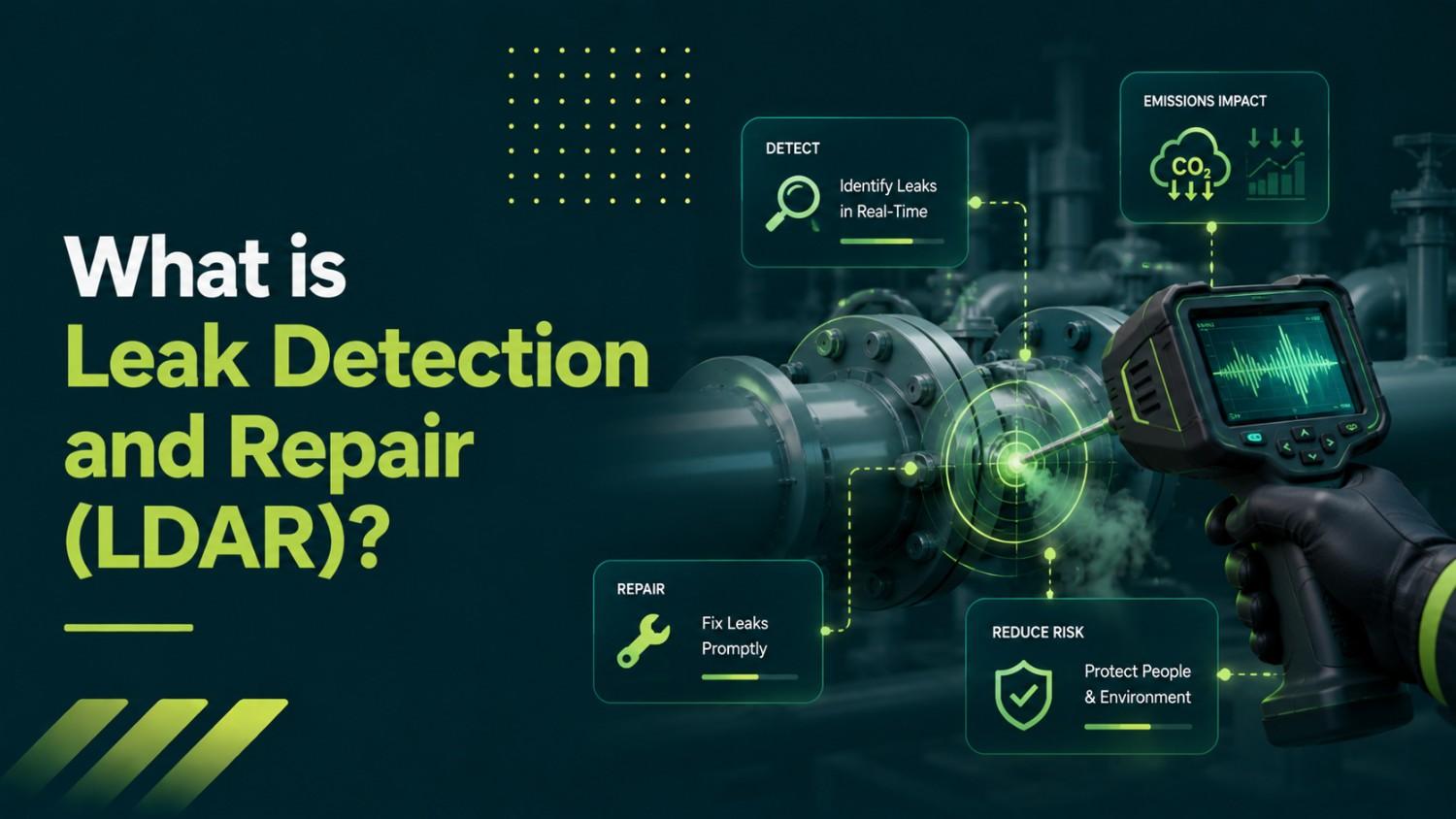
Leaks may seem minor, but in industries like manufacturing, oil & gas, and chemicals, they can cause serious safety hazards, regulatory fines, and environmental damage. That’s where LDAR (Leak Detection and Repair) comes in. It’s a structured program to identify, monitor, and fix leaks, especially in valves, pumps, and pipelines. In this blog, we’ll explain how LDAR works, why it’s critical, and how integrating it with your CMMS can simplify compliance, documentation, and repairs.
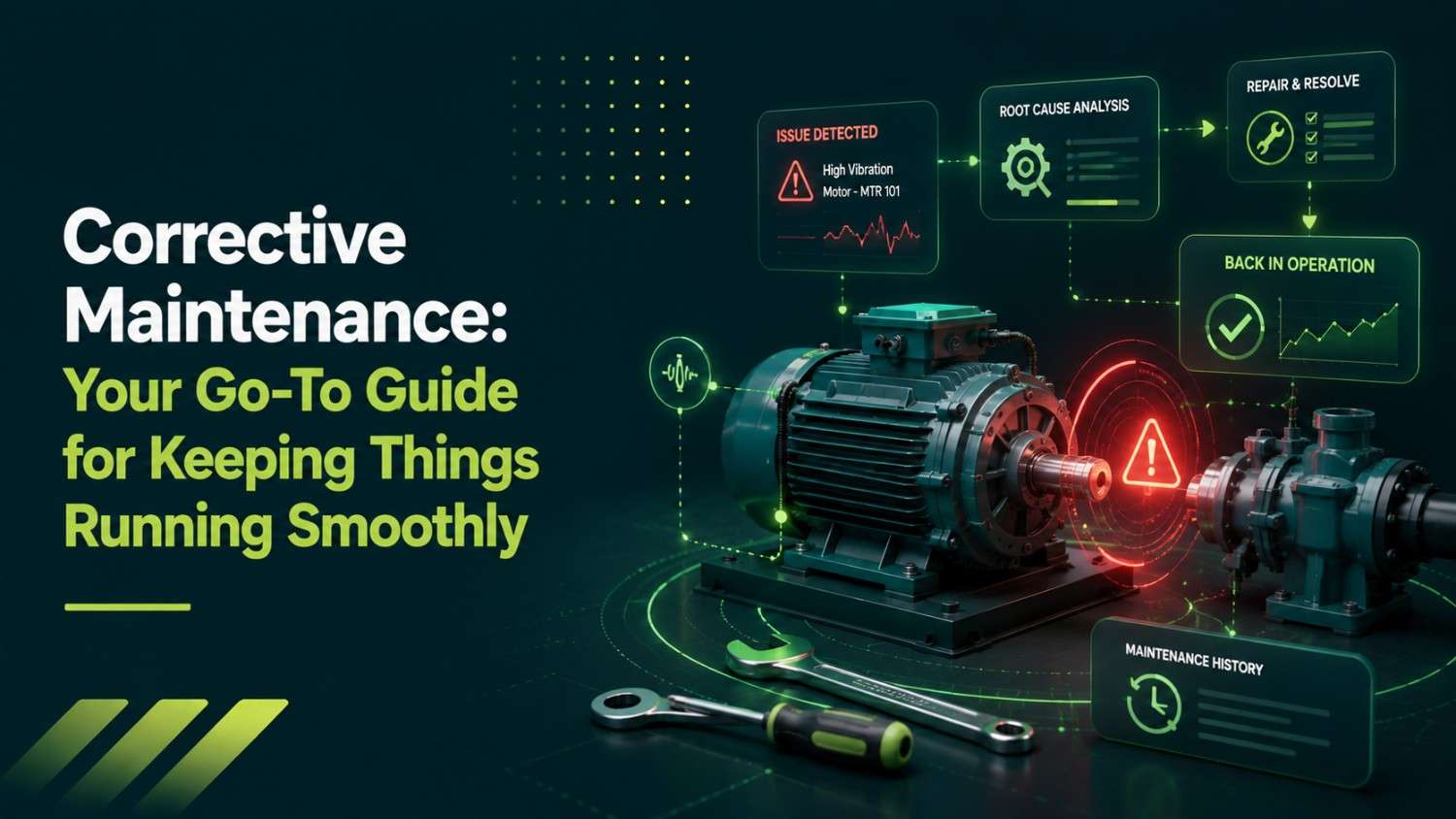
Corrective maintenance gets a bad rap, often seen as reactive or inefficient. But in reality, it’s a necessary part of every maintenance strategy. Whether it’s tightening a loose bolt, replacing a worn-out part, or fixing a sudden failure, corrective maintenance keeps your assets functioning and avoids costly replacements. In this blog, we break down what it is, when to use it, and how your CMMS can turn “uh-oh” moments into controlled, trackable fixes.
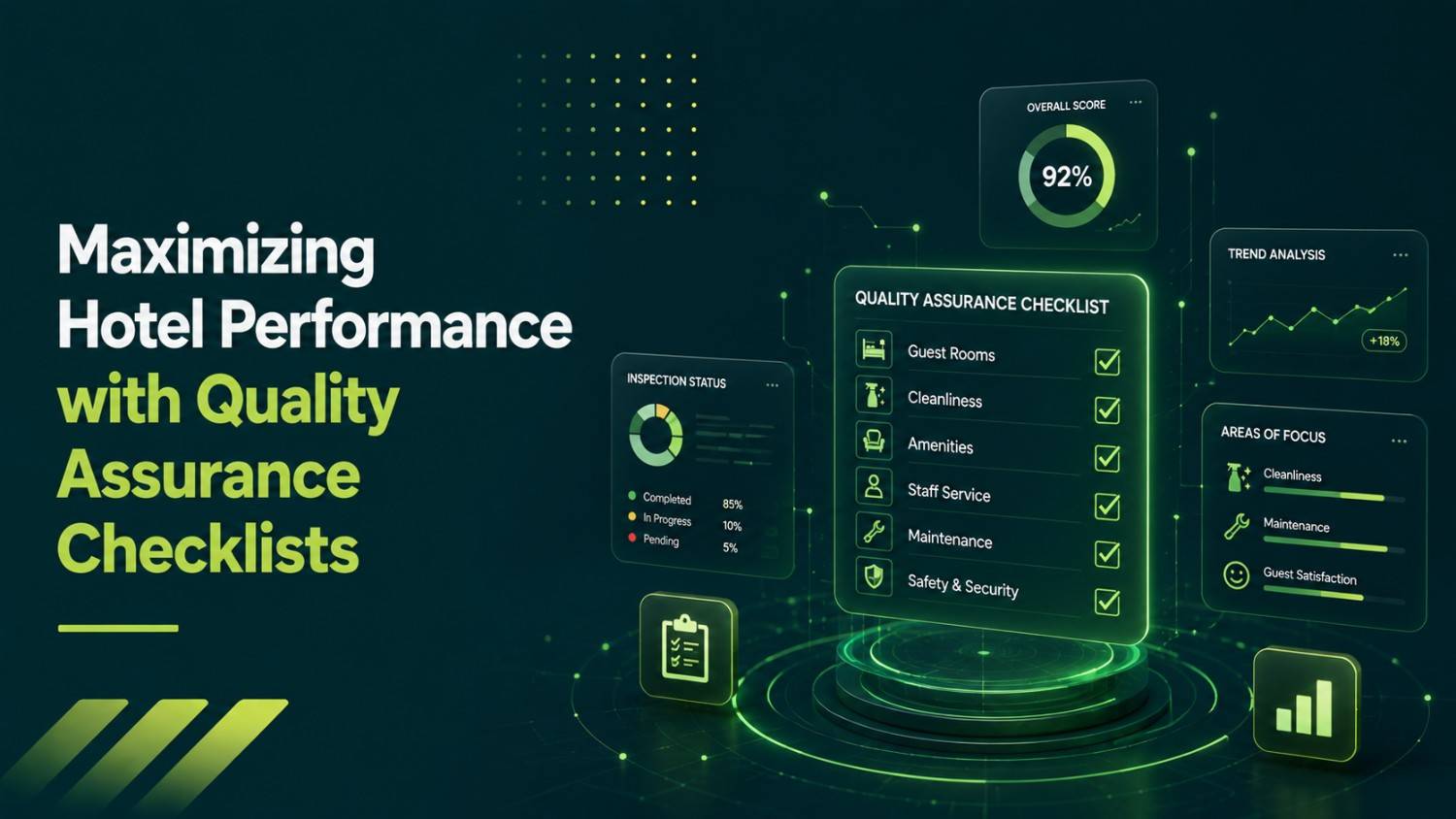
In the hospitality industry, guest satisfaction isn’t just about a comfy bed, it’s about consistency, cleanliness, and seamless operations. A quality assurance checklist helps hotels stay ahead by setting clear service standards and ensuring tasks don’t fall through the cracks. In this blog, we explore how pairing QA checklists with a CMMS can improve accountability, streamline workflows, and boost your hotel's performance from housekeeping to HVAC maintenance.
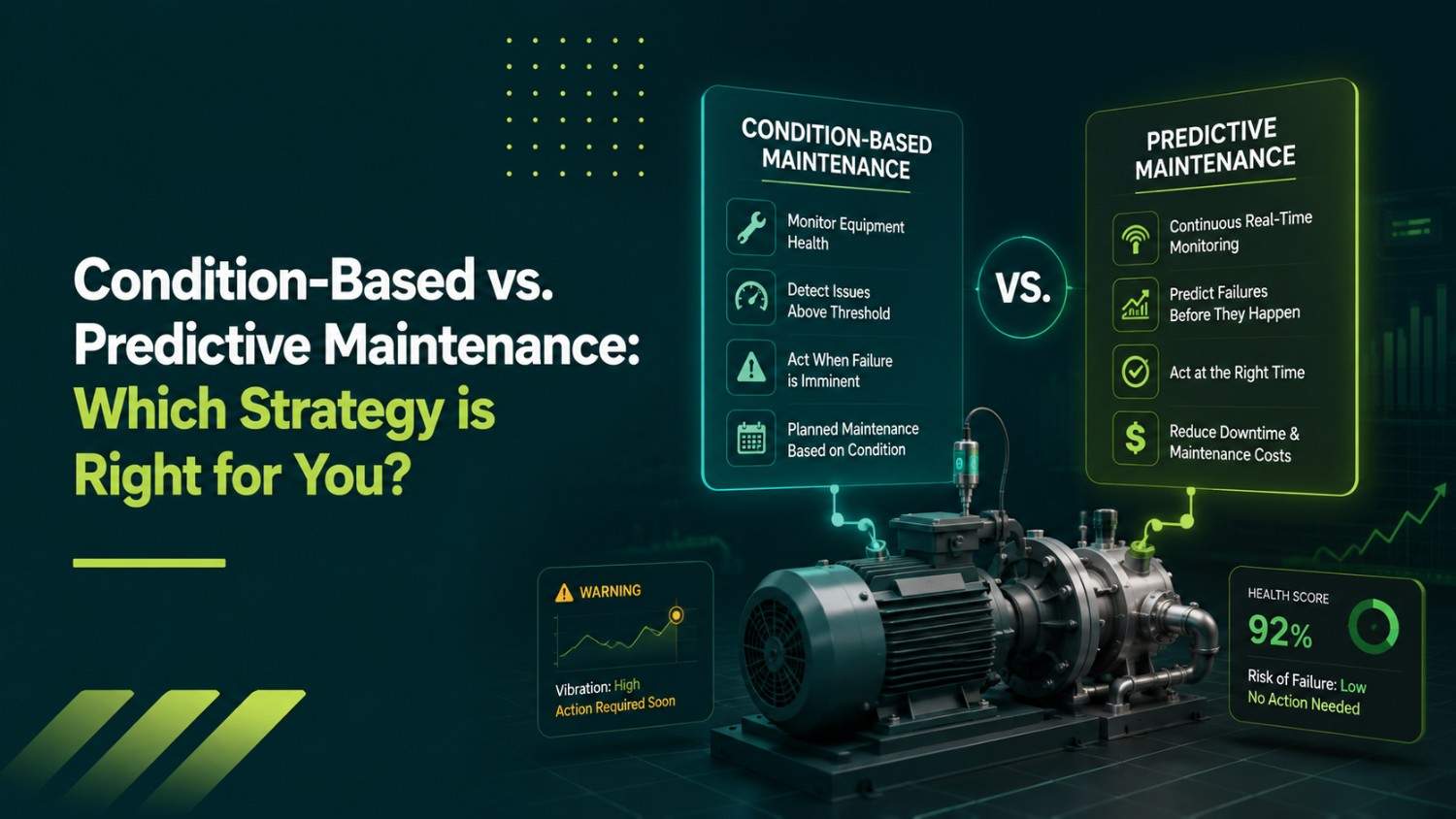
Choosing the right maintenance strategy isn’t just about fixing problems, it’s about preventing them in the smartest, most cost-effective way possible. Condition-based and predictive maintenance both aim to reduce downtime and improve asset performance, but they differ in how they anticipate equipment failure. In this blog, we break down the pros, cons, and ideal use cases for each approach to help you decide which strategy is right for your team and how your CMMS can bring it to life.